Apple Glasses: Expected Features, Technology, and Release Outlook
Introduction
Apple Glasses are still a subject of reporting, not a confirmed Apple product. Apple’s official materials reviewed through October 2026 document Apple Vision Pro and its updates, but do not announce a product called Apple Glasses or provide a launch date. That means expected features and timing should be treated as reported or forecast, not settled specifications.
This status reflects the public record in the official sources reviewed, not proof that Apple has no undisclosed work underway. Reports and forecasts can change; only an Apple announcement would confirm a product name, specifications, or schedule.
This guide separates what Apple has confirmed from what outside sources have reported. It covers the limited available information about a possible glasses design, which features remain unverified, and the practical questions that would matter if Apple pursued this kind of device. It also explains why a reported release window is not the same as an official schedule.
Last reviewed: October 2026.
What Are Apple Glasses—and What Is Confirmed?
“Apple Glasses” is a commonly used label for rumored future Apple smart glasses, not a product name Apple has confirmed.
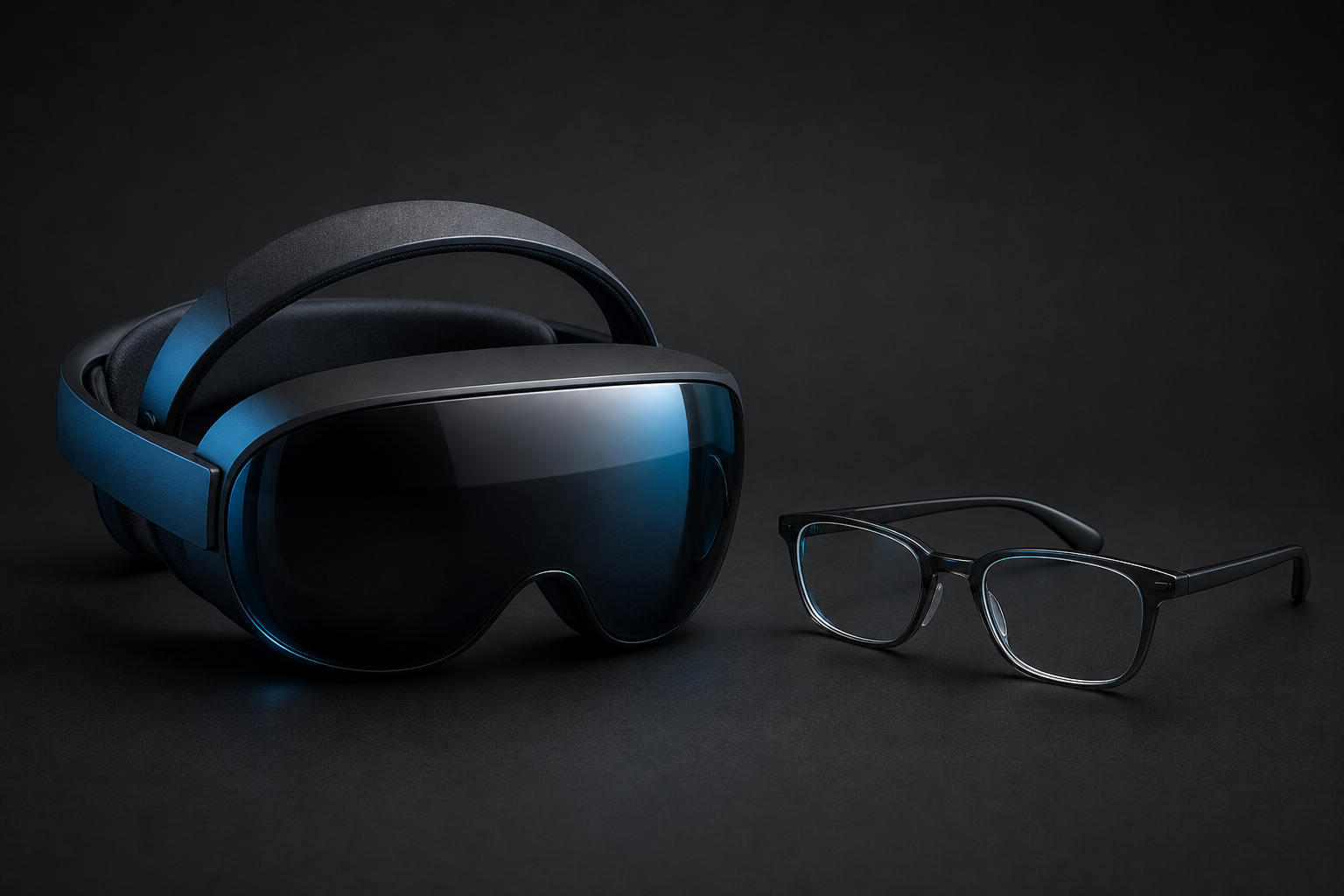
In the official materials reviewed through October 2026, Apple has announced Vision Pro, a spatial computer introduced in 2023, and subsequently published information about updates to that headset. Those announcements do not establish that Apple Glasses exist as a released or officially announced product, though they cannot rule out undisclosed internal work.
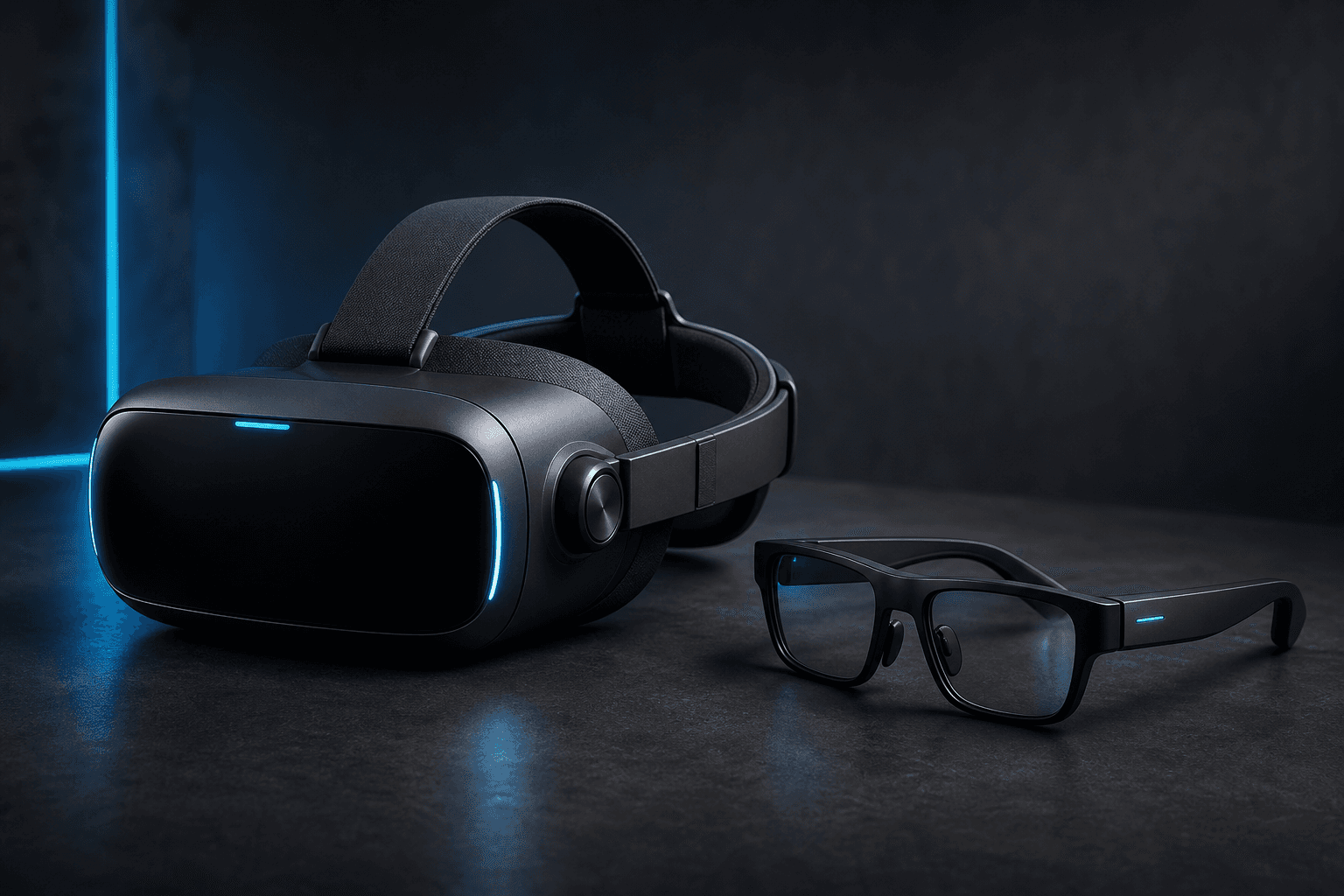
The distinction matters because Vision Pro information is sometimes treated as a preview of what glasses might do. Apple’s Vision Pro announcement describes a headset with its own display system, Apple silicon, visionOS, and eye, hand, and voice interaction. Those are confirmed Vision Pro characteristics, not specifications for a different, rumored glasses product.
Use three labels when assessing claims: confirmed means Apple has announced it; reported means a named outlet has attributed the information to its sources; and speculative means there is no verified announcement or sufficiently attributable report. Much of what circulates about Apple Glasses belongs in the latter two categories.
Keep the products distinct: Apple has announced Vision Pro. The official materials reviewed do not announce Apple Glasses, and Vision Pro’s features cannot be carried over as evidence of glasses specifications.
Expected Design and Form Factor
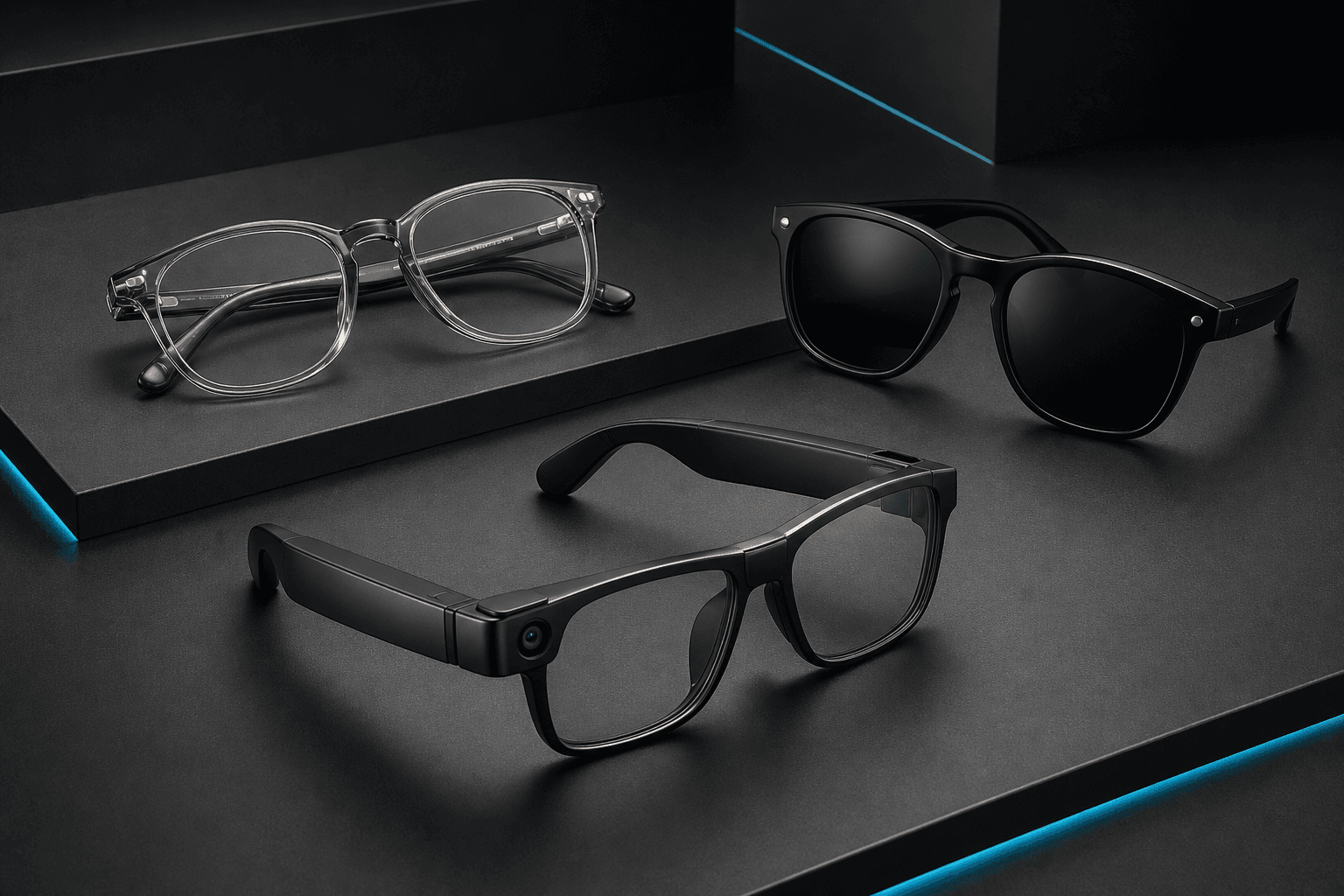
The available reporting points toward a glasses-style device, but it does not provide a confirmed design. Bloomberg reported in May 2026 that Apple was pursuing smart glasses connected to the iPhone. That is a report about a possible direction, not an Apple specification or confirmation that a product will ship.
A later report from RBC-Ukraine, published in September 2026, attributed a no-screen design and a late-2027 target to Mark Gurman. This is secondary reporting, and the claims were not verified against Gurman’s original publication or Apple. The no-screen detail should therefore be treated as an attributed, unconfirmed report, not as a settled design decision. It also differs from what some readers may expect from augmented-reality glasses.
An everyday glasses form would raise practical design questions: how to balance a wearable frame with the components, power needs, heat management, comfort, and connectivity a device might require. The available evidence does not answer those questions or confirm how Apple would address them. There is no verified basis here for stating a frame style, materials, weight, lens options, or component layout.
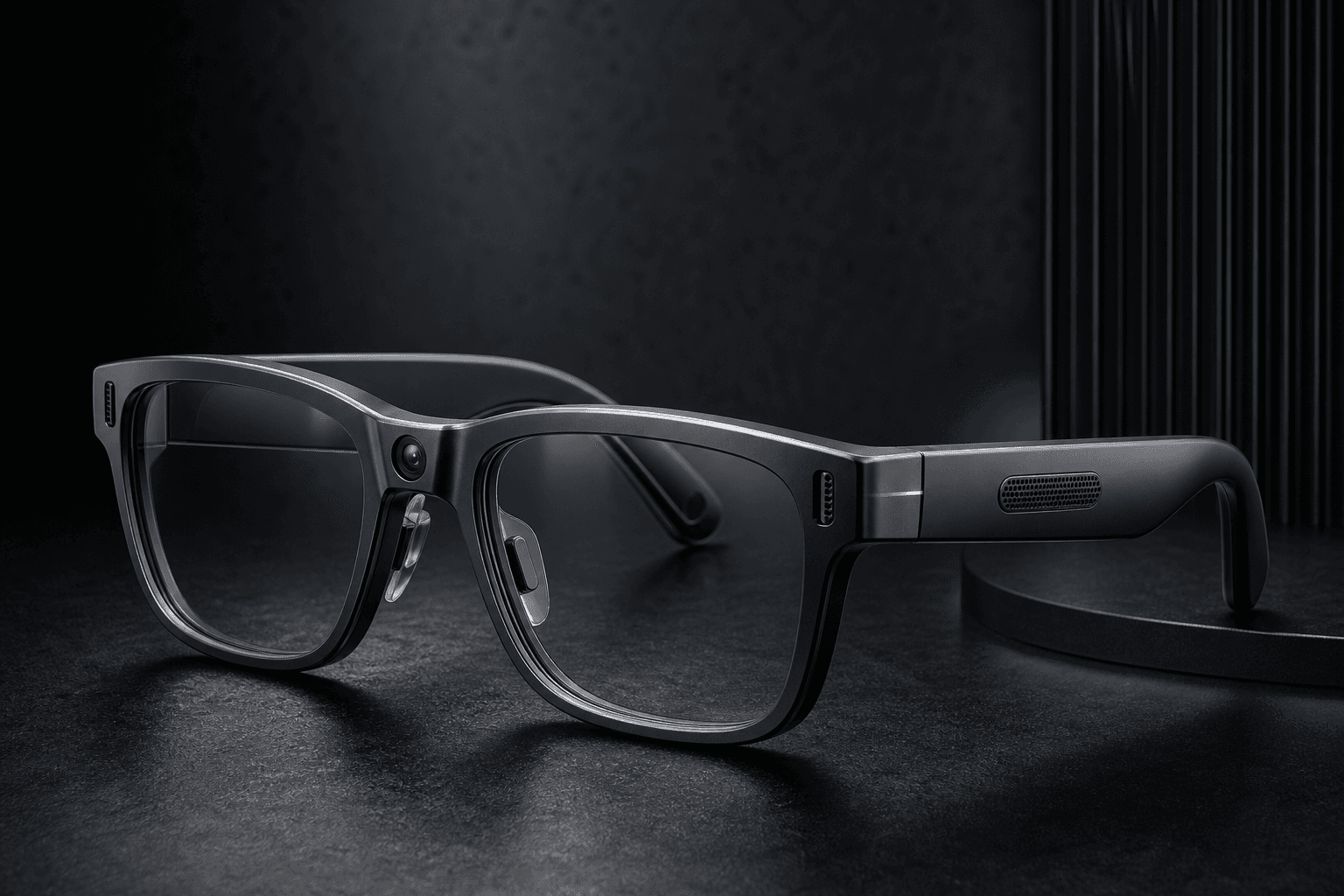
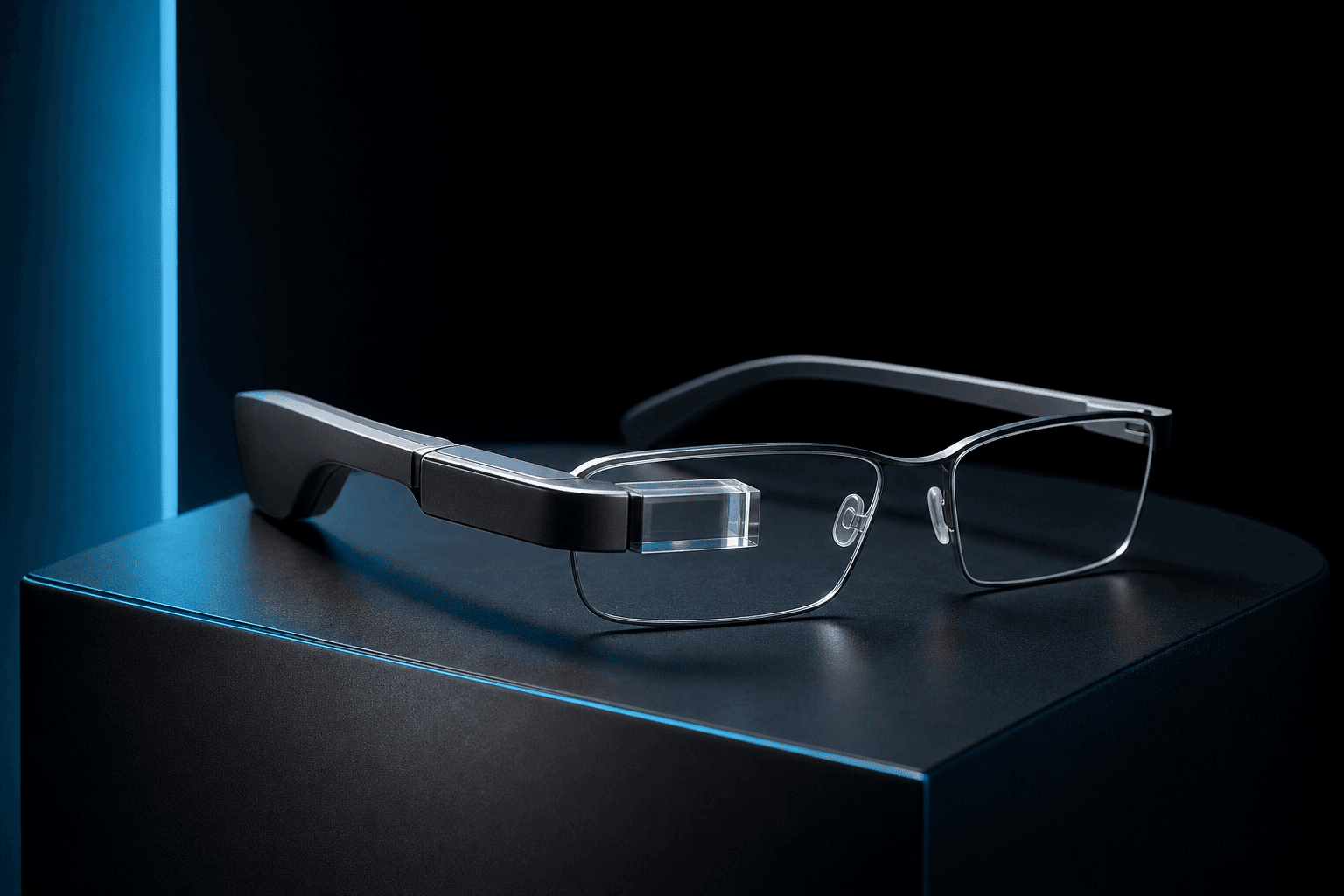
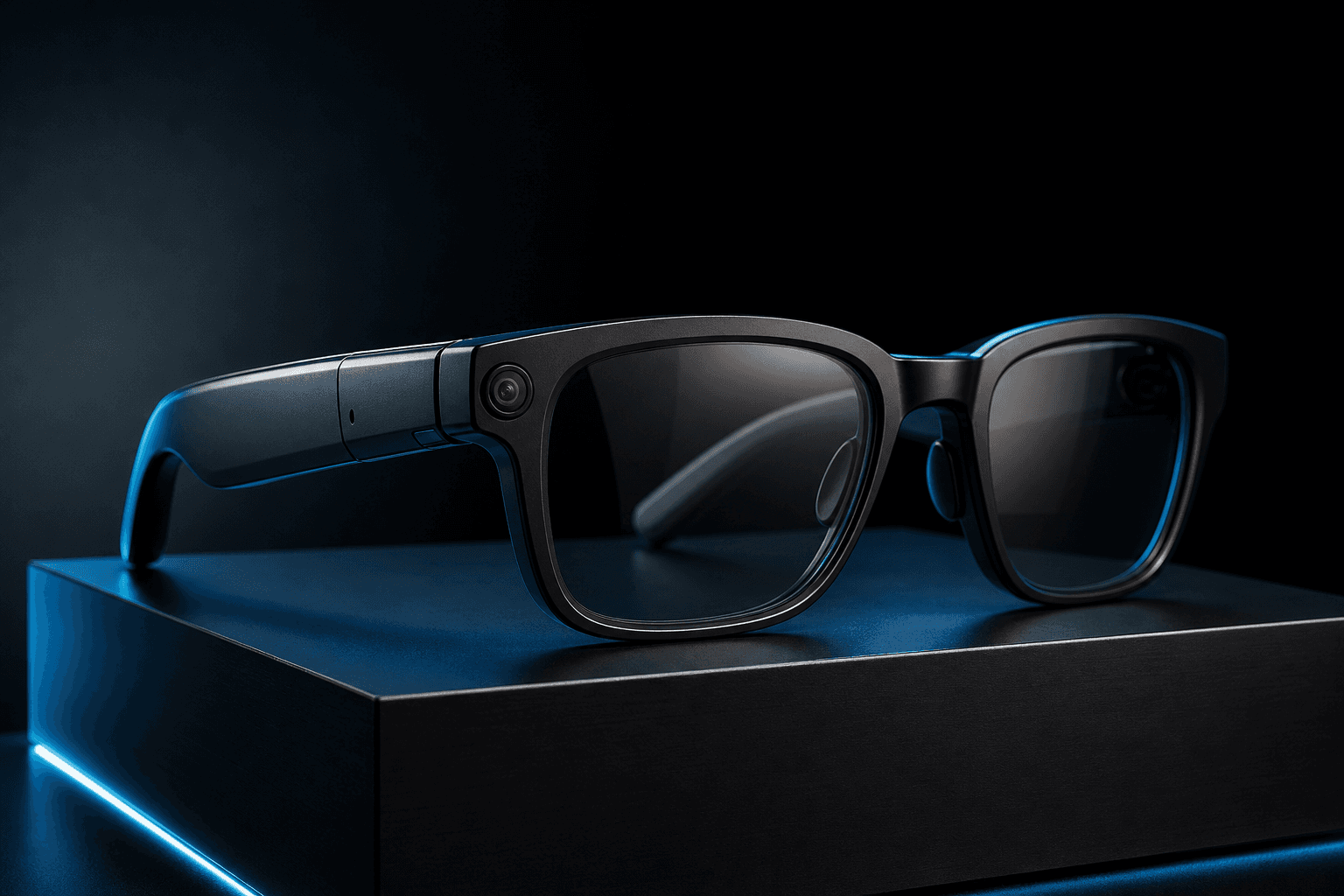
Concept images and online mock-ups may illustrate possibilities, but they are not evidence of Apple’s plans. Until Apple publishes product details, treat specific depictions as speculation and the reported form factor as provisional.
Expected Features and Everyday Uses
The confirmed feature list for Apple Glasses is empty: Apple has not announced the product or published its specifications in the official materials reviewed. The strongest specific report in the available evidence is Bloomberg’s May 2026 description of smart glasses connected to an iPhone. That suggests a possible relationship to Apple’s phone ecosystem, but does not confirm a dependency, connection method, or particular capability.
Other details often associated with smart glasses should not be assumed. The supplied reporting does not verify cameras, audio, notifications, voice controls, AI assistance, sensors, prescription support, or a display. The later report’s no-screen claim is unconfirmed and should not be used to infer what the glasses could do instead. No resolution, battery life, weight, price, or performance figures have been established.
That leaves everyday uses uncertain, too. Without confirmed capabilities, it is not possible to say whether the device would be intended for calls, media capture, notifications, navigation, or hands-free assistance. These may be features people discuss when imagining smart glasses, but they are not verified Apple Glasses use cases.
A useful way to assess future claims is to identify whether they describe a confirmed specification, attributed reporting, or a possibility. Those categories carry different weight: an Apple announcement would establish what the company says a product does, while reporting can signal a direction without confirming a shipping feature. Readers should also distinguish a prototype capability from an intended retail feature. For everyday use, wait for documented tasks rather than treating familiar smart-glasses functions as part of Apple’s plan.
For now, distinguish three things: Vision Pro features Apple has announced for Vision Pro; smart-glasses characteristics attributed to reporting; and possibilities that remain speculation. A feature should move into the confirmed category only when Apple announces it or publishes product documentation. Until then, treat detailed feature lists as unverified rather than as a preview of a finished product.
Technology and the Apple Ecosystem
A glasses-sized wearable would face basic engineering trade-offs: fitting computing, power, connectivity, and any sensors into a small frame while managing heat and remaining comfortable to wear. Those are design questions, not confirmed specifications for Apple Glasses. The available reporting does not establish how Apple would address them.
Bloomberg reported on May 31, 2026 that Apple was pursuing smart glasses connected to the iPhone. That points to a possible ecosystem relationship, but it is reporting rather than an Apple-confirmed dependency or description of how the product would work. The company has not published Apple Glasses compatibility details in the reviewed materials.
These trade-offs are connected. A design that places more computing in the frame could raise questions about space, power, and heat; shifting some tasks to a connected iPhone could make the glasses more dependent on that connection. These are engineering possibilities, not descriptions of Apple's chosen architecture. The reported iPhone connection does not reveal which tasks would run on the glasses, what might happen if the phone were unavailable, or whether core functions would work offline. Those details would affect convenience, but remain unverified.
Apple’s Vision Pro announcement describes a separate headset with custom Apple silicon, visionOS, and eye, hand, and voice interaction. Those confirmed Vision Pro features cannot be assumed to apply to glasses. The key questions remain open: would the glasses include a display, rely on a connected device for some computing, or take another approach? A September report attributed a no-screen design to Mark Gurman, but Apple has not confirmed that direction. Until specifications are announced, the display, processing, connectivity, and ecosystem details remain unknown.
Privacy, Practical Limits, and Open Questions
Potential capabilities are only part of the question. If a future glasses product includes a camera, buyers would need to consider when recording is possible, how other people are made aware, and what privacy controls are provided. Apple has not confirmed that Apple Glasses will include a camera or described safeguards for such a product, so no specific protections should be assumed.
Privacy assessment would also depend on details that are not available: whether a camera is present at all, whether capture is user-initiated, what visible or audible cues might indicate recording, how media is stored or shared, and whether controls can be managed from the glasses or a paired device. These are questions to ask, not features to expect.
Everyday usability is also difficult to assess without specifications. Battery life, comfort over extended wear, prescription options, durability, and connectivity are all unresolved. These details could affect whether glasses are practical for a person’s routine, but there is no verified Apple Glasses information here to answer them.
Regulatory and safety questions should be checked against applicable official guidance once a product and its features are known. Requirements can depend on the device and where it is sold, so broad claims about what Apple Glasses would need to meet would be premature. For now, treat these as questions to revisit when Apple publishes product details, rather than as confirmed shortcomings or promises.
Apple Glasses Release Outlook: What the Evidence Supports
There is no confirmed Apple Glasses launch date in the official Apple materials reviewed for this article. Apple’s Vision Pro newsroom archive covers announcements about Vision Pro, not an announced Apple Glasses product. The distinction matters: reported targets are forecasts, not a schedule from Apple.
The available reports point to different timelines. A Tom’s Guide report dated April 20, 2026 quoted Mark Gurman forecasting an introduction in September or October 2026, with customer availability in early 2027. Bloomberg then reported on May 31 that Apple was pursuing iPhone-connected smart glasses and described a late-2027 release outlook. A later RBC-Ukraine report, dated September 28 attributed a late-2027 target to Gurman and also reported a no-screen design. That account is secondary reporting, not an Apple announcement, and was not verified against Gurman’s original publication.
The dates are not directly interchangeable: an expected introduction and customer availability are different milestones. The earlier forecast anticipated an introduction in late 2026 but availability in early 2027, while later reporting shifted the outlook toward late 2027. Both remain attributed forecasts, and the later no-screen claim is also unconfirmed. Bloomberg’s iPhone-connected description is reported information, not a confirmed product requirement.
These forecasts conflict, and none establishes when or whether a product will reach customers. A dated Apple announcement naming the product and giving launch or availability details would materially change the outlook. New reporting could also affect expectations, but its source, date, and attribution would need to be assessed; it would not itself make a launch date official. Until then, treat late 2027 as a reported forecast, not a confirmed release window.
Last reviewed: October 20, 2026. The reviewed official materials do not announce an Apple Glasses launch date.
What Prospective Buyers Can Do While They Wait
If you are considering glasses because of Apple rumors, wait for official specifications and pricing before making a decision based on expected features. For a product available now, start with your actual needs: hands-free capture, audio, everyday comfort, or another use. Check the published specifications, local availability, and purchase terms rather than assuming one pair of smart glasses will match another.
Before buying, decide which features matter most and which are optional. Compare the details the maker publishes with those priorities, and check whether the product is available where you live. Consider practical questions too: Do the frames feel comfortable for your intended use? Are the controls and setup suitable for you? What are the return terms if the fit or experience does not work out? Treat advertised capabilities as product-specific claims to assess, not as a preview of what Apple may eventually offer. This lets you make a decision based on a product you can evaluate today rather than an unconfirmed timeline or specification.
Spectra X is a separate Three9x product, and Three9x is the publisher of this article. It is not an Apple product or an announced equivalent to Apple Glasses. Three9x describes it as smart glasses with an AI companion, open-ear stereo audio, and a camera. If those are features you want to evaluate now, you can Shop Now.
Conclusion
Apple Glasses remains an unannounced product label, not a confirmed set of specifications or a launch date. Apple’s official materials reviewed cover Vision Pro and its M5 update, not Apple Glasses. Treat reported features and release windows as expectations, not commitments. Before making plans, check Apple’s official announcements and the date of any coverage, since forecasts can change. For now, list the capabilities you actually need from smart glasses and assess available products against those needs rather than assuming an unannounced Apple device will provide them.
Last reviewed: October 20, 2026.
Summary
Apple Glasses have not been announced by Apple, so reported designs, features, and release windows remain unconfirmed. Learn how to distinguish reports from official information, what questions remain open, and what to consider when evaluating smart glasses available now.