Google Glasses: History, Features, and the Future of Google Smart Glasses
Introduction
Google Glass was Google’s wearable eyewear project, but it did not follow one uninterrupted path from consumer gadget to current product. It moved from an early concept into an Explorer testing program and consumer sales, then continued in a separate enterprise chapter. Those distinctions matter: a prototype or limited testing program is not the same as broad retail availability, and workplace-focused editions were not simply the original consumer product under a new name.
For people searching for google glasses, the name can also mean smart eyewear generally. This article focuses on Google’s specific products: their timeline, documented features, consumer challenges, and enterprise use. It also sets out what is known, and what remains unconfirmed, about Google’s future direction in smart glasses.
Google Glass: From Project Glass to a Consumer Product
Google Glass began as Project Glass, an early Google effort to explore wearable computing through eyewear. The exact date and wording of the original Project Glass announcement are not verified in the sources reviewed here, so it is safer to describe the early public concept without assigning it a precise launch date. The product then moved through Explorer, a testing phase that gave a limited group access before consumer-facing sales began.
That sequence is important. Explorer access was not the same as general retail availability. In January 2015, Google halted consumer sales, while contemporaneous reporting said the company did not consider the project dead and would continue supporting enterprise users. Google’s developer documentation now labels the Explorer Edition SDK deprecated and retained as historical reference, distinguishing that consumer-era software from its enterprise offering.
| Milestone or edition | Verified date or period | What changed | Status or significance |
|---|---|---|---|
| Project Glass | Early public phase; exact announcement date not verified here | Google explored wearable eyewear as a computing concept | Origin of the Google Glass project |
| Explorer program | Before January 2015 | Testing access preceded consumer-facing sales | Limited access, not broad retail availability |
| Consumer sales halted | January 2015 | Google ended consumer-facing sales | Reporting said enterprise support would continue (BBC) |
| Enterprise offering | Separate from Explorer; exact launch date not established by the sources used here | Google documented an enterprise product and partner-led distribution | A distinct workplace chapter, not continuation of consumer sales (Google documentation) |
Google’s developer materials preserve Explorer resources as historical reference and discuss Glass Enterprise separately. Together with reporting on the January 2015 change, this helps clarify the product’s stages without treating testing, consumer sales, and enterprise use as interchangeable.
Features and Everyday Experience
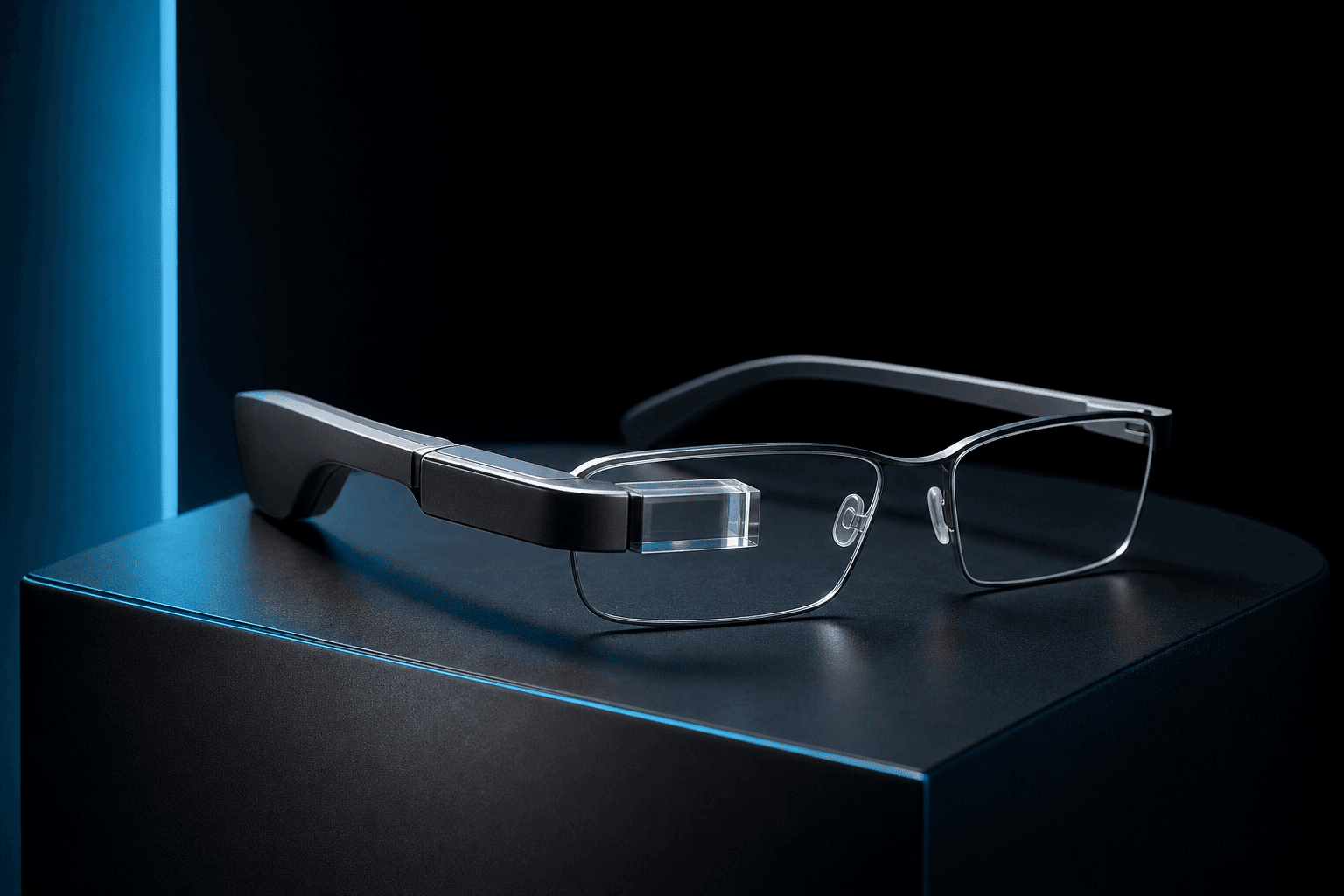
Google Glass was designed to put information and capture functions within reach while being worn, but the details depend on the edition. For the consumer-era hardware, a secondary historical summary lists a small display, a 5-megapixel camera, 720p video recording, and about 16GB of storage. Because that reference is a mirrored Wikipedia page rather than an official Google specification sheet, treat those figures as secondary-source details, not a complete or definitive specification (historical summary).
Google’s enterprise press materials describe a custom Android build with camera and voice-command or voice-control capabilities. The company presented Enterprise Edition for business customers and distributed it through partner channels. These first-party descriptions support a workplace use case in which workers could access functions and capture information hands-free, but they do not establish that every Glass edition had identical hardware or software (Google’s enterprise materials).
In practical terms, a display paired with voice controls was intended to make some information and actions accessible without holding a device. A camera also made hands-free image or video capture part of the product’s documented feature set, although the available sources do not establish how consistently people used these functions in daily life. This distinction matters: a stated capability describes what the product could offer, not necessarily how comfortable or useful it felt to every wearer.
A precise, official comparison covering Explorer, consumer, and enterprise specifications was not available in the reviewed sources. It is therefore best not to transfer a specification from one version to another or assume that every edition offered the same display, camera, or controls. The evidence supports a broad picture of Glass as eyewear combining a display and camera in the consumer era, with Google specifically describing camera and voice capabilities in its enterprise messaging. It does not support a definitive account of every edition’s day-to-day experience.
Why the Consumer Version Struggled
Google Glass’s consumer reception is often explained through a combination of price, social acceptance, privacy concerns, and questions about everyday usefulness.

Contemporary and later commentary described the product as expensive and socially awkward, but these are interpretations of its reception, not a single proven explanation for its outcome. Coverage also noted the uncertainty facing people who had joined the Explorer program when Google ended consumer sales in January 2015. Google said Glass was “not dead” and that it would continue supporting enterprise users, a distinction reported at the time by the BBC.
Privacy became a particular concern because the glasses included a camera. Critics raised the possibility that someone might record without people nearby noticing, making consent and context part of the discussion. An advocacy report from Consumer Watchdog is one example of commentary raising these concerns; it should be understood as advocacy material, not a neutral measurement of public opinion. Other coverage framed the device’s reception in terms of social comfort and practical value, but those accounts do not establish that any one concern caused Google’s decision to stop consumer sales.
For camera-equipped eyewear, the presence of a recording indicator is only one part of the social question. Whether people understand that recording may be happening, whether they have a meaningful chance to consent, and where the device is being used all affect how it is received. The available evidence supports describing these as reported concerns, not as a universal reaction or a complete account of Glass’s commercial performance.
Privacy and social acceptance depend on context as well as device design. The sources reviewed here document concerns, but do not provide legal guidance.
The Enterprise Pivot and the End of Google Glass
Google’s enterprise direction gave Glass a distinct second chapter rather than extending the consumer product unchanged. The company described Enterprise Edition as a business-focused product distributed and supported through partner channels. Google’s materials identify a custom Android build, a camera, and voice-control capabilities; these are first-party descriptions, not independent evidence of workplace results. The positioning was aimed at professional settings where hands-free access to a camera or voice controls could be relevant. Google’s enterprise press materials and developer documentation describe this partner-led approach.
This partner-led model also shapes how the enterprise chapter should be understood: it was not a straightforward relaunch of Explorer for general consumers. Google’s available documentation establishes the business audience, distribution route, and basic camera and voice capabilities, but does not provide a complete edition-by-edition specification comparison or independently measured workplace outcomes. It is therefore more accurate to describe the pivot as a change in intended audience and support model than as proof of broad workplace adoption.
The milestones differ from the end of the consumer Explorer program. Google ended consumer sales in January 2015, while reporting at the time said enterprise support would continue. The Explorer Edition software later became legacy material: Google’s developer site says its SDK is deprecated and retained as historical reference. Secondary reporting also says support for Explorer Edition ended in February 2020, a separate milestone from the later enterprise retirement.
For Glass Enterprise Edition, Google’s notice set March 15, 2023 as the date it would stop selling the product, and September 15, 2023 as the end of support. Its support FAQ clarifies that users could continue using devices and existing software after support ended. That means the cutoff was not a remote shutdown of every device. It marked the end of Google’s sale and support commitments for the enterprise product, not the beginning of the earlier consumer wind-down.
The Future of Google Smart Glasses: What Is Confirmed in 2026?
Google’s current direction is Android XR, a platform announced in December 2024 for headsets and glasses, with Samsung and Qualcomm as partners. In May 2025, Google also announced partnerships with eyewear brands Gentle Monster and Warby Parker, and said it was advancing its Samsung partnership to bring Android XR to glasses. These announcements establish platform and partner plans, not a finished retail lineup or confirmed specifications for every device. Google’s Android XR announcement and partnership update outline that direction.
At Google I/O 2026, the company described two categories of intelligent eyewear with Gemini: audio glasses and display glasses. Google said audio glasses would launch first, later in fall 2026. That is a planned timing statement, not confirmation that the glasses are already available to buy. The announcement does not provide a complete final product list or technical specification sheet. Display glasses are part of the announced roadmap, but Google has shared less detail about their timing. Its I/O announcement is the clearest source for these distinctions.
Google’s Android XR overview separately says the Galaxy XR headset is available now and that glasses are coming. The headset’s availability should not be mistaken for the release of Google smart glasses. As of the reviewed official materials, final retail pricing and a complete specification sheet for the glasses lineup have not been publicly confirmed. Exact launch dates for every partner or variant are also unconfirmed; Google has given a broad fall window for the first audio glasses.
Quick takeaway: Android XR glasses are an announced development, with audio glasses planned first for later in fall 2026 and display glasses also planned. Pricing, final specifications, and exact timing for every variant remain unconfirmed.
Hands-free assistance is one of the category’s potential uses, but comfort, style, battery life, cost, and social acceptance remain adoption challenges highlighted in industry coverage. Those themes help explain what future devices will need to address; they do not guarantee particular features or outcomes for Google’s planned products.
Google Glass’s Legacy and Today’s Smart Eyewear
Google Glass remains a useful reference point for smart eyewear, but it is not the same product line as Google’s current Android XR effort. Google describes Android XR as a platform for headsets and glasses, while the earlier Glass line belongs to its product history. That distinction matters when comparing features or availability.
Glass also leaves practical questions for anyone considering eyewear with digital features: Does it make hands-free access genuinely useful? Can people wear it comfortably and acceptably in everyday settings? How are privacy concerns handled? Industry coverage continues to identify comfort, style, battery life, cost, and social acceptance as adoption challenges, alongside potential uses such as assistance, navigation, translation, and notifications. These are category-wide considerations, not guarantees about a particular device.
A useful comparison framework is to check:
- Display: Does the eyewear show information in the lens, or rely on audio and a connected phone?
- Camera: Is capture offered, and what specific capabilities does the manufacturer list?
- Audio and assistant: Are there speakers, voice controls, or an assistant? Which functions are confirmed?
- Comfort and design: Consider frame materials, fit, weight, and whether the style suits regular wear.
- Intended use: Separate products aimed at recording, communication, notifications, or visual overlays rather than treating them as interchangeable.
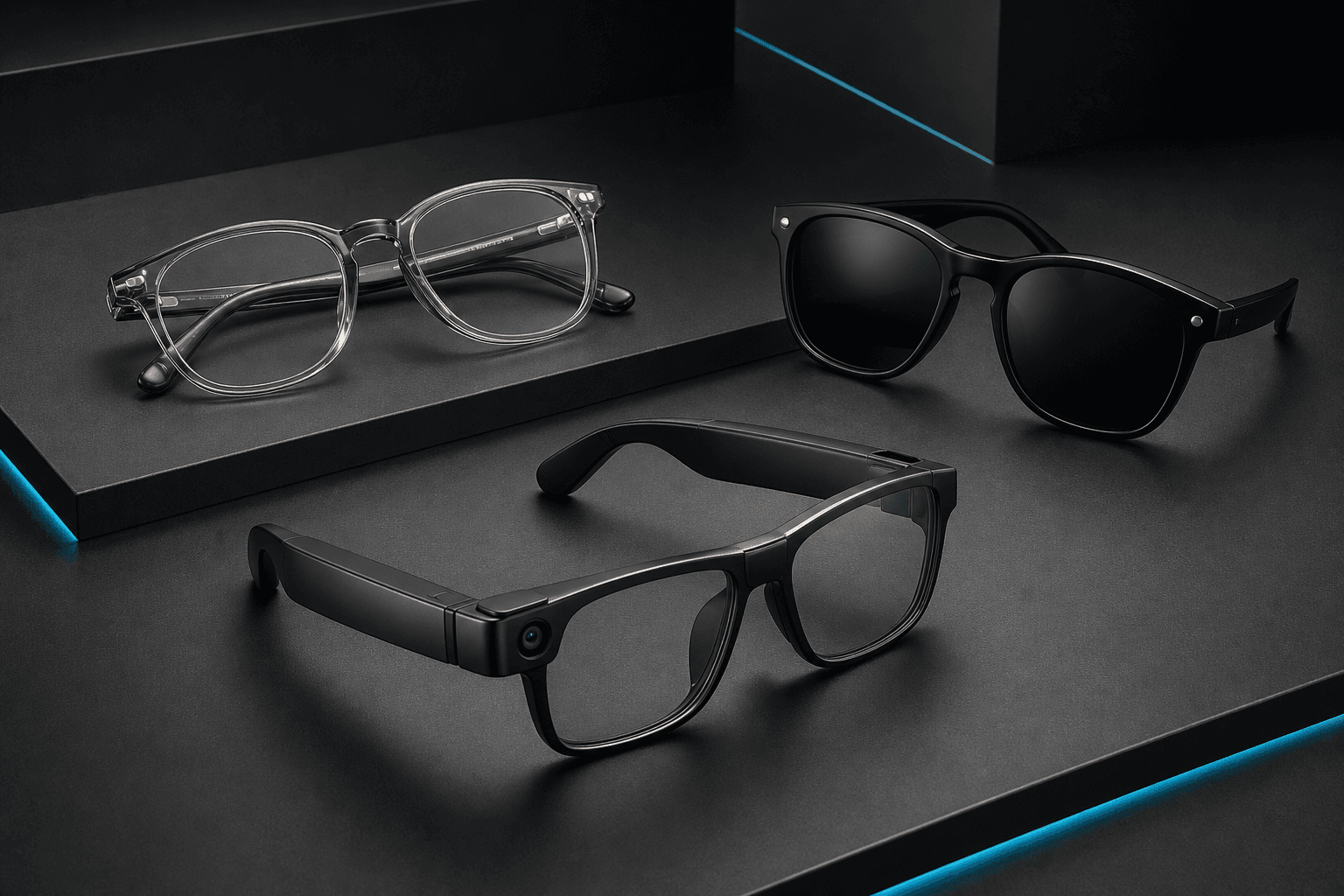
For a practical decision, treat the checklist as a set of trade-offs rather than a scorecard. A camera may matter for capture, while a display may matter more for glanceable information; audio-first designs serve a different role from visual overlays. Check whether key functions work independently or require a phone connection, and review the maker’s privacy explanation, battery information, and fit guidance before deciding.
As a separate example, Three9x, the publisher of this article, describes its Spectra X as a smart-eyewear product. Spectra X is not a Google product, and this example does not establish technical equivalence with Glass or Android XR devices.
Google’s Android XR overview distinguishes the broader platform and its device categories; buyers should still check each product’s own confirmed specifications, privacy information, intended use, and availability.
Conclusion
Google Glass moved from a consumer-facing experiment into an enterprise-focused product chapter, which later ended. Its history is distinct from Google’s newer Android XR plans: an announced platform and future glasses categories should not be mistaken for a continuation of the old Glass product or for devices already available to buy.
For readers searching for google glasses, the useful next step is to separate the named Google products from smart eyewear as a broader category. In particular, distinguish a platform announcement from a named device, and a prototype or partner demonstration from a product with confirmed availability. Check official announcements for what is actually shipping, then compare confirmed features, intended use, comfort, and privacy implications. Treat previews and reporting as context, not a substitute for final product details. That approach makes it easier to judge future Google smart glasses on what is documented rather than what is anticipated.
Summary
Trace Google Glass from its Explorer testing phase and consumer sales through its separate enterprise chapter, including documented features and reported adoption concerns. The article also explains Google’s announced Android XR glasses plans and what remains unconfirmed about their availability and specifications.