Buy Glasses Online in Pakistan: Choose Frames, Lenses, and Order with Confidence
Introduction
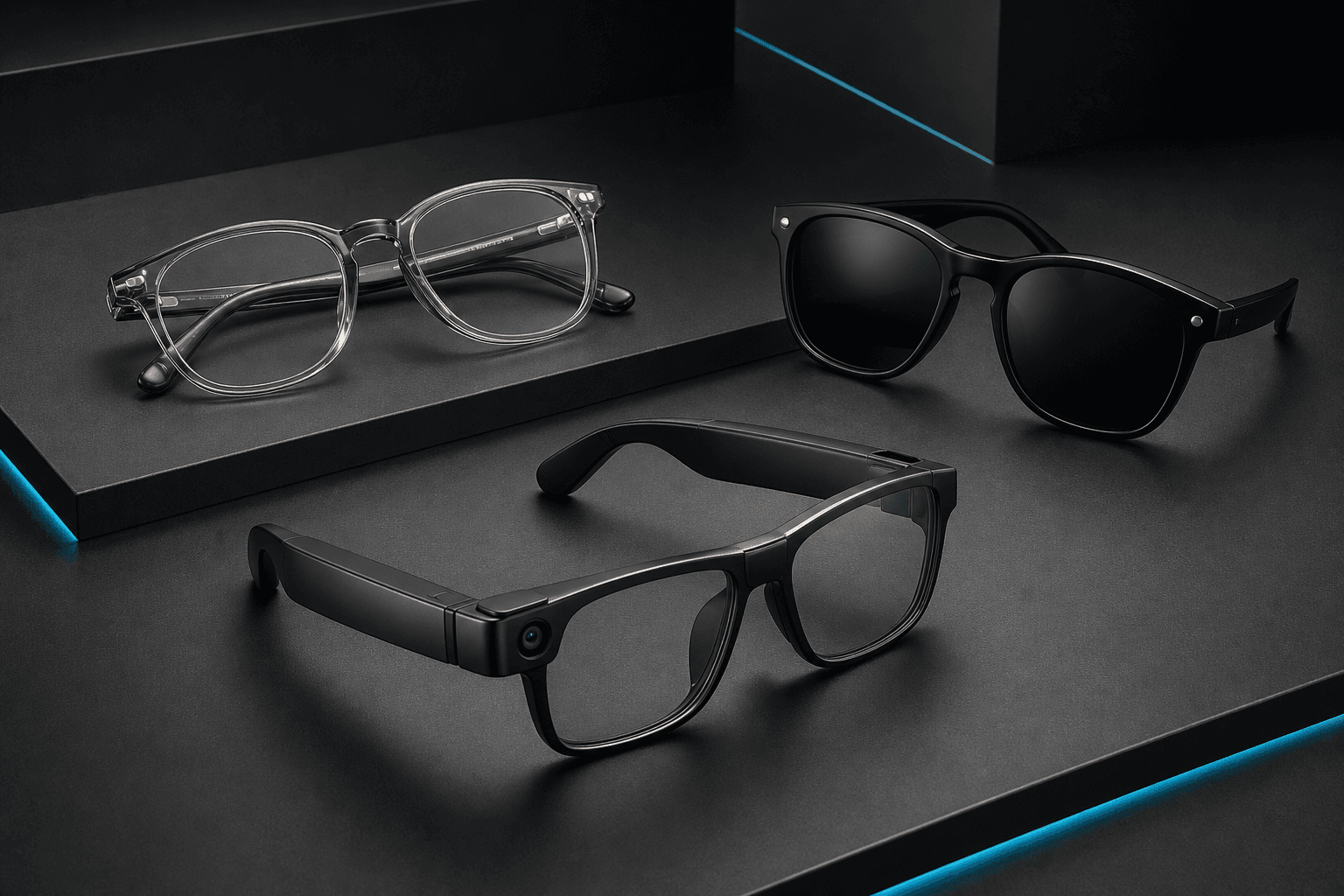
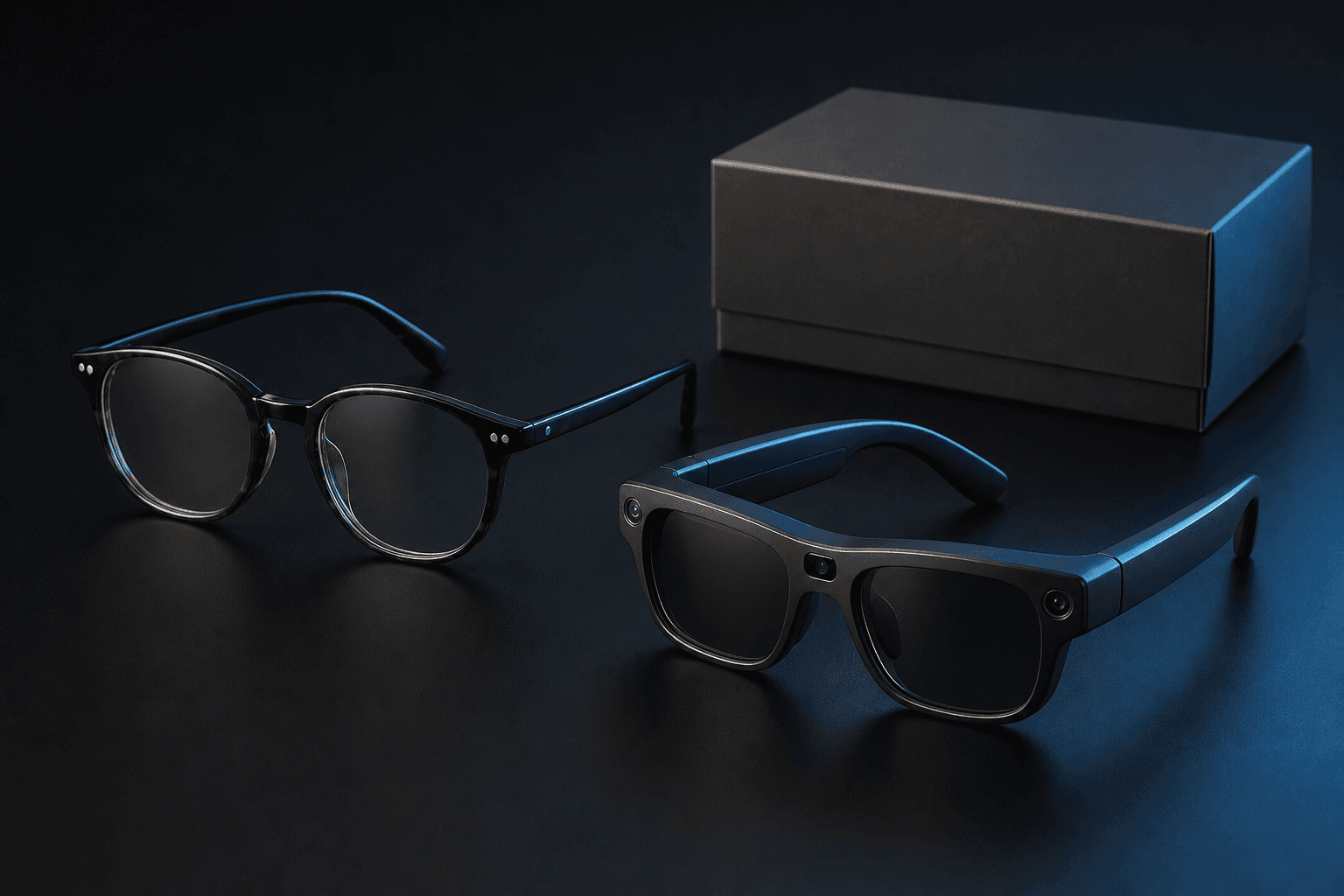
If you want to buy glasses online in Pakistan, start by deciding what you need them to do. Prescription glasses are chosen to correct vision; non-prescription eyewear may suit other preferences; smart glasses add electronic features. These are different purchases, even when they share a frame-like design.
Before ordering, check the frame measurements and likely fit, gather the prescription details needed for corrective lenses, and ask the seller about lens options and how they handle measurements. Then review the product description, delivery and payment details, and final order confirmation. This guide covers practical checks for comparing glasses online in Pakistan, so you can spot missing information and ask questions before paying.
As you browse, keep your priorities together: intended use, fit, lens requirements, and any questions about the seller’s process. Product descriptions can help you compare, but confirm unclear details before checkout and make sure the selected options appear correctly in the final order summary.
First decide what kind of glasses you need
Start with the main purpose of the purchase. If you need vision correction, look for prescription glasses and have your current prescription details ready. A suitable order may require information for both eyes, and the seller’s form will explain what it needs. Don’t assume every retailer requests the same fields.
Before browsing, note whether you need corrective lenses, want non-prescription eyewear, or are specifically shopping for electronic functions. If more than one applies, treat lens compatibility as a separate requirement and ask about it before comparing prices or placing an order.
Non-prescription glasses and smart glasses serve different purposes. Smart glasses are selected for electronic functions, such as audio or camera features, rather than as a substitute for corrective lenses. If you need vision correction, confirm directly with the seller whether the specific frame or device can be fitted with lenses appropriate for your prescription. Do not infer compatibility from the product’s appearance or from the fact that it is worn like glasses.
If you are considering a smart-glasses product, compare the listed functions with what you want to do, then check whether corrective lenses are supported separately. Feature-rich eyewear may still leave you needing your usual prescription glasses.
Important: Confirm whether a product supports corrective lenses before treating it as prescription eyewear. Compatibility must not be assumed.
Choose frames for fit, comfort, and everyday use
When shopping online, compare the listing with a pair of glasses that already fits you well, if you have one.
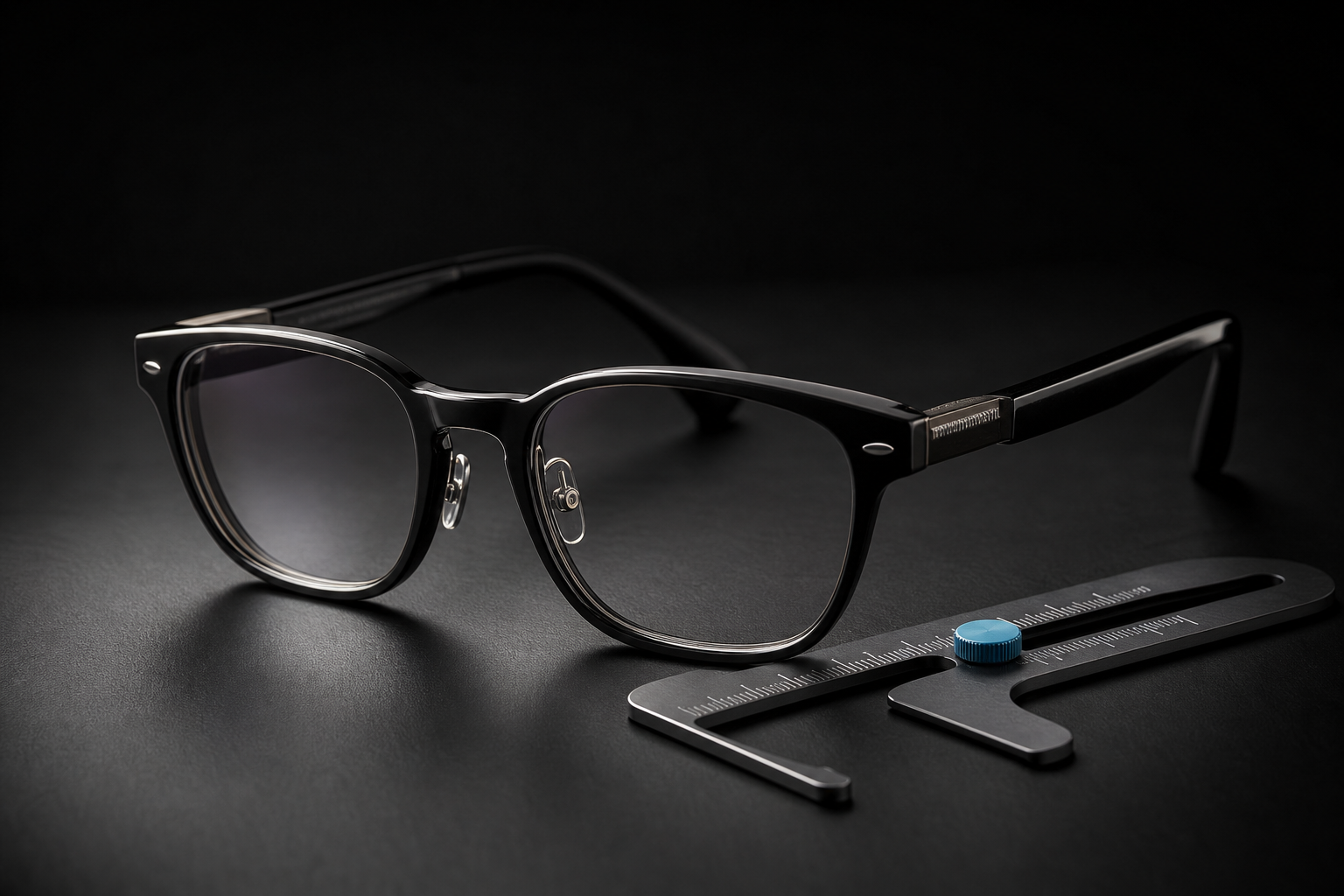
The U.S. Department of Veterans Affairs identifies four basic frame measurements: eye size, bridge width, temple length, and B measurement. Eye size is the horizontal width of one lens, bridge width is the distance between the lenses, and temple length measures the arm, including its bend. Listings may show these numbers in different places, so check the product images and specifications carefully. VA frame-selection guidance
Treat matching measurements as a useful comparison, not a promise of comfort. Fit also depends on how the frame sits on your face and may require adjustment. Naval ophthalmic dispensing guidance says a well-fitting frame should rest comfortably on the nose and stay stable without rocking. The temples should not leave impressions, and their bends should sit on or slightly behind the ears. Naval ophthalmic fitting guidance
Also consider the frame shape, listed material, available weight information, and where you expect to wear it. A style for frequent daily use may call for different priorities than one chosen mainly for occasional wear. Clear photos from several angles and specific sizing details make online comparison easier. If a listing leaves out measurements, material, or other fit information, ask the seller rather than guessing. Where possible, confirm how adjustments or fitting concerns are handled before placing the order.
Because a listing cannot show how a frame feels on your face, use the numbers to narrow options rather than make a final comfort judgment. Check that the measurements belong to the exact frame variant you are considering, and ask which measurements are provided if the labels are unclear. If you cannot try the frame on first, ask the seller what options are available if it feels unsuitable after delivery.
Understand your prescription and lens choices
For prescription glasses, start with your current prescription from an eye-care professional and check that the seller’s order form matches the information you have. Review the right-eye and left-eye entries carefully before submitting them. Order forms can vary, so ask the seller if a field is unclear or if your prescription does not fit the options provided.
You may also need your pupillary distance (PD), the measurement used to position the lenses in relation to your pupils. The College of Optometrists explains that PD is a facial measurement taken during dispensing, not part of the prescription itself. College of Optometrists guidance on spectacles
PD may be recorded as one binocular measurement or as separate monocular values for each eye. Use the format requested by the seller; do not convert between formats or guess a value. Clinical review of PD and spectacle fitting
If you do not have a PD, ask whether the seller can advise on getting it measured. VA instructions describe a ruler-and-mirror method and recommend repeating the measurement three times and averaging the results. That method does not guarantee sufficient accuracy for every prescription, frame, or lens design. If your measurements are uncertain, or your prescription or lens design is complex, seek professional measurement rather than relying on a guess. VA guide to measuring PD
Before choosing lenses, ask what options and coatings the seller offers, what information is needed to process your prescription, and whether those options are suitable for your prescription and intended use. Also ask how the seller checks lens centration and handles questions about fit. UK NHS guidance says the dispenser fitting glasses is responsible for ensuring proper lens centration and that online providers should have arrangements to meet that responsibility. This is useful context for questions to ask, but it does not establish Pakistani legal requirements. NHS guidance on visiting an optician
Check the seller and order details before you pay
Before you buy glasses online in Pakistan, check the listing and checkout details rather than assuming every seller handles orders the same way. Confirm the exact product, what is included, the total price, and any lens or customization choices. If ordering prescription lenses, check the right- and left-eye details and the seller’s requested prescription format. Requirements can vary between sellers, so clarify anything the order form does not explain.
At checkout, use the seller’s requested PD format and confirm how it handles lens centration. UK NHS guidance addresses the dispenser’s responsibility, but does not establish Pakistani requirements. Compare listed frame measurements with a pair that fits you well; the VA frame guide identifies common measurements, but matching numbers cannot guarantee comfort.
| Before checkout | What to confirm |
|---|---|
| Product and options | Exact item, included components, price, lens choices, and customization charges |
| Prescription and fit | Correct prescription entries, requested PD format, and listed frame measurements |
| Delivery and payment | Delivery coverage, timing or fees, available payment methods, and any conditions |
| After-sales terms | Return or replacement conditions, warranty coverage, and customer-support contact details |
| Final order | Cart details match your selection; save the confirmation and the seller’s stated terms |
Three9x, the publisher of this guide, states that cash on delivery is available nationwide. Its first-party returns and warranty page describes a conditional seven-day replacement guarantee and a one-year limited warranty for Three9x AI Glasses, with exclusions. These are first-party statements, not a general refund or exchange promise for every product or prescription order. Recheck the live listing and checkout for current availability and applicable delivery, payment, replacement, and warranty terms before paying.
When smart glasses may be the right purchase
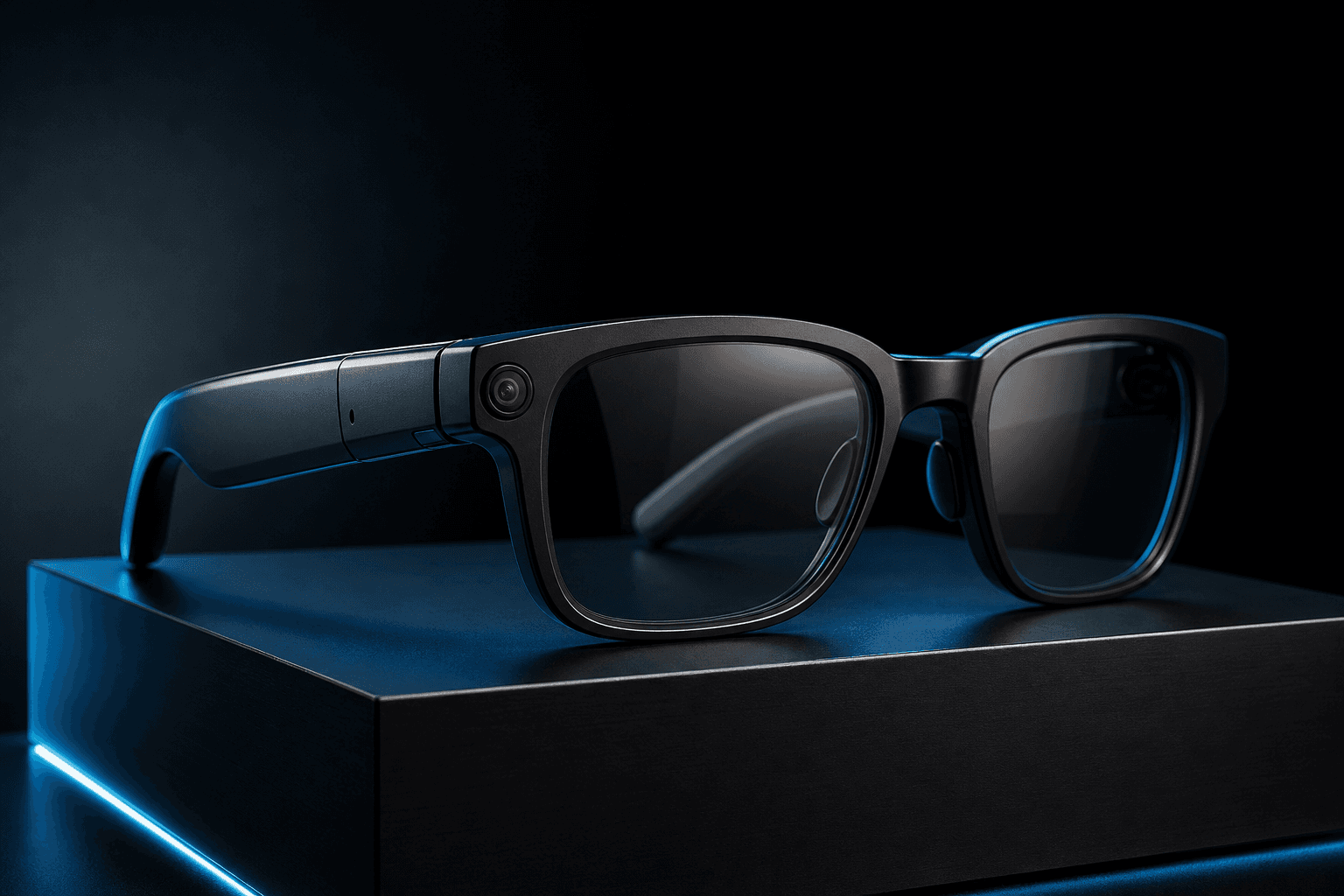
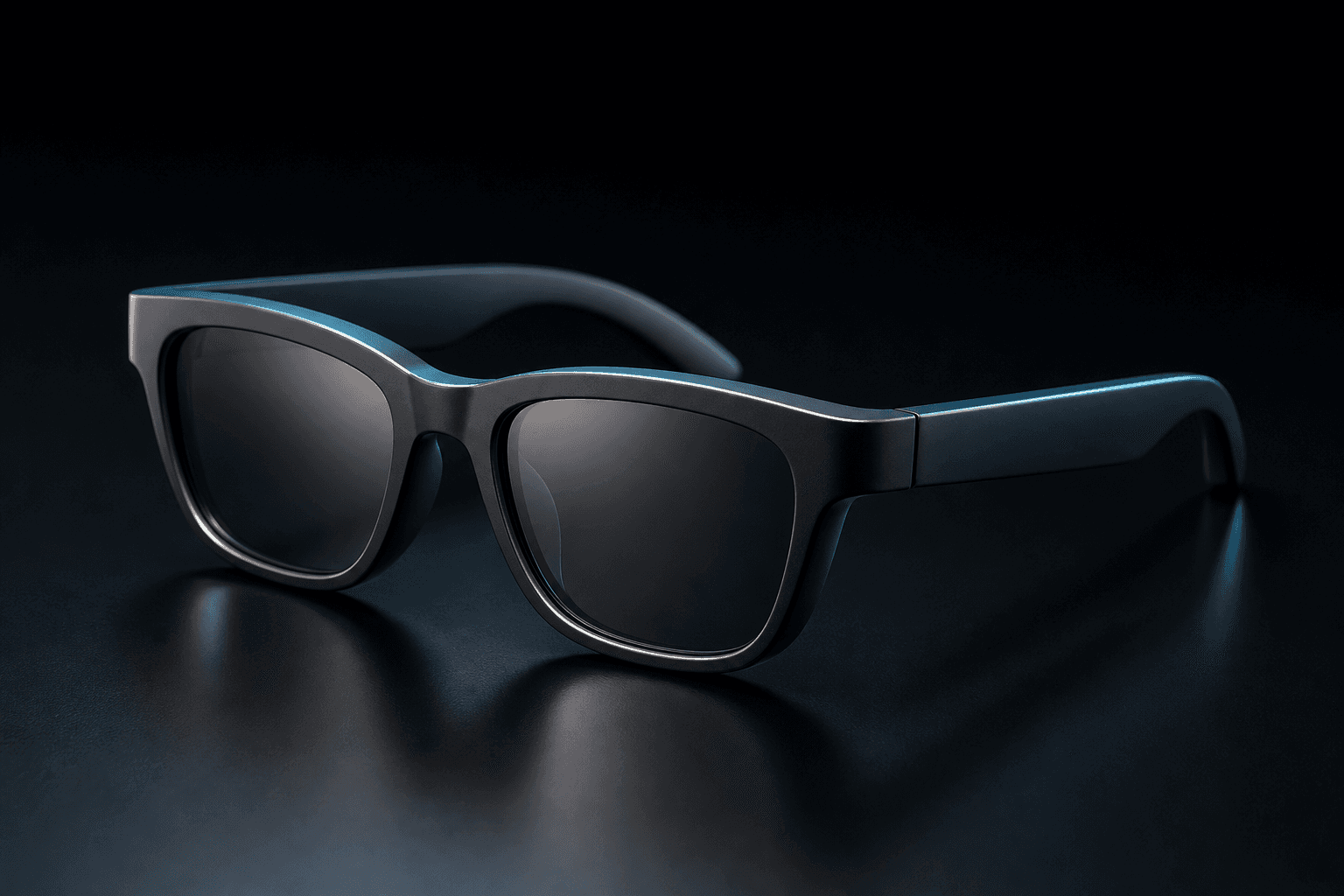
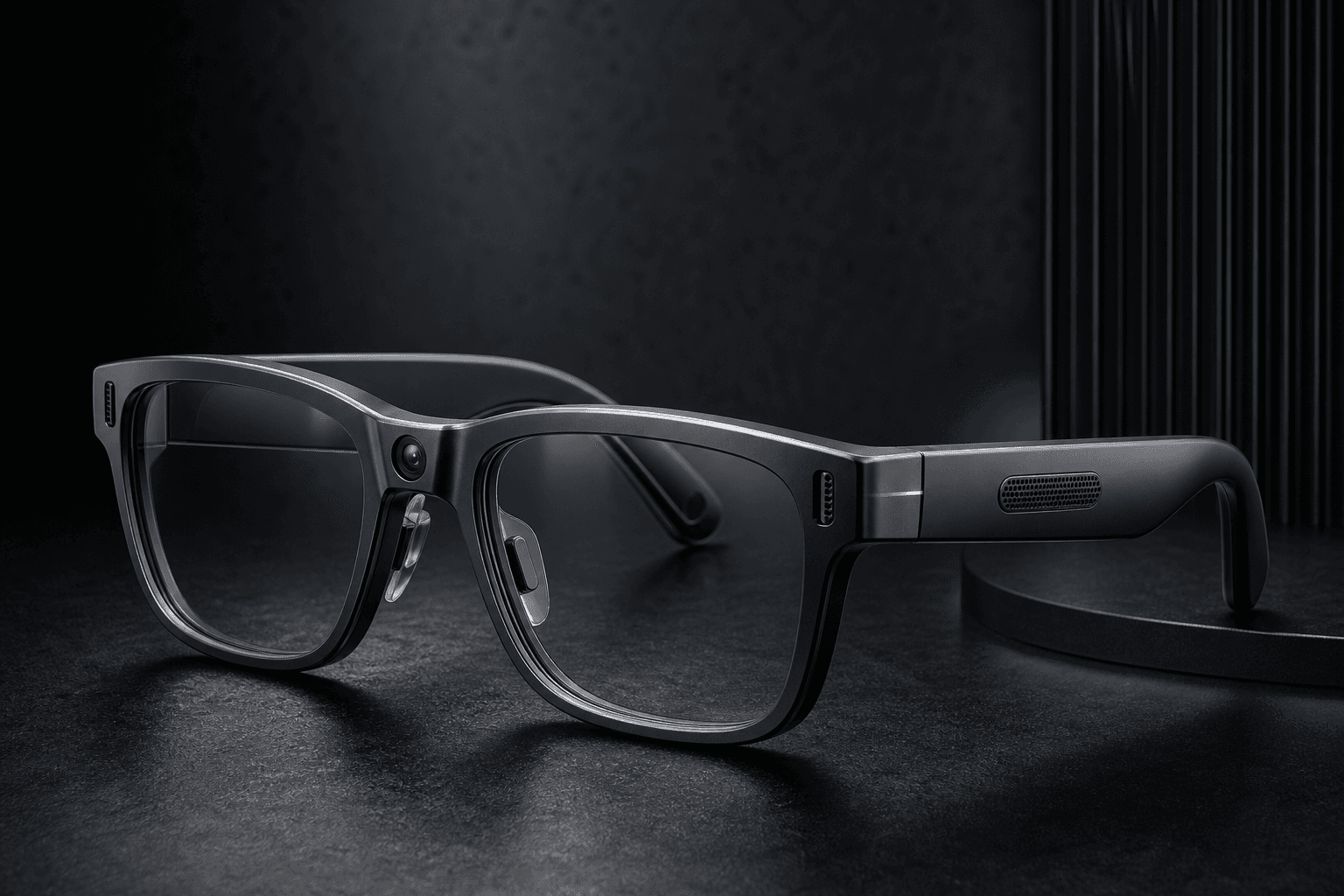
Smart glasses may suit you if you want wearable technology for hands-free capture, audio, or other features, rather than glasses chosen primarily to correct your vision. Three9x describes Spectra X as smart eyewear with AI features and an on-frame assistant, open-ear stereo audio, and hands-free photo and video capture. Those functions may be relevant to POV recording or content creation, but they do not establish a particular creative result or replace the need to check whether the product fits your intended use.
Before choosing, identify which features matter most in your day-to-day use. Ask Three9x what the AI features and on-frame assistant do, how captured photos and videos can be accessed, and whether any device, app, or setup requirements apply. Check what is included with the product and whether its audio and camera functions suit the situations in which you expect to use them. These questions help clarify the purchase without assuming details that are not stated in the product information.
Three9x presents Spectra X as a product for everyday wear. Its current frame material and weight should be confirmed against current first-party specifications; do not rely on an unverified material or weight claim when deciding on fit and comfort. Check the live product page and checkout for current price and availability as well.
If you need prescription lenses, ask Three9x directly whether Spectra X accepts them and what fitting or lens arrangements are available. Prescription compatibility is not established by the information provided here, so do not assume the smart glasses can serve as corrective eyewear. If you need vision correction, compare prescription options separately and confirm any uncertainty with the seller or an eye-care professional.
Conclusion: make the final checks, then choose
Make the decision in order: choose between conventional prescription eyewear and smart glasses, check lens requirements and frame fit, then review the seller’s terms before payment. If you are ordering prescription lenses, confirm the exact prescription details and any measurement the seller requests. Ask the seller or an eye-care professional about anything unclear, especially if your prescription or lens needs are complex.
For smart eyewear, focus on whether the documented features match how you plan to use it. Spectra X is described as smart glasses with camera, audio, and AI features; prescription-lens compatibility has not been confirmed here. Verify that directly before buying if you need vision correction. Once the product, order details, delivery, and applicable after-sales terms are clear, you can choose with fewer unanswered questions.
Summary
Compare prescription glasses, non-prescription eyewear, and smart glasses by starting with their intended use. Learn what to check about frame fit, prescription and PD details, lens choices, seller terms, delivery, payment, and the final order before buying.