Black Frame Glasses: Styles, Face Shapes, and Outfit Pairings

Introduction
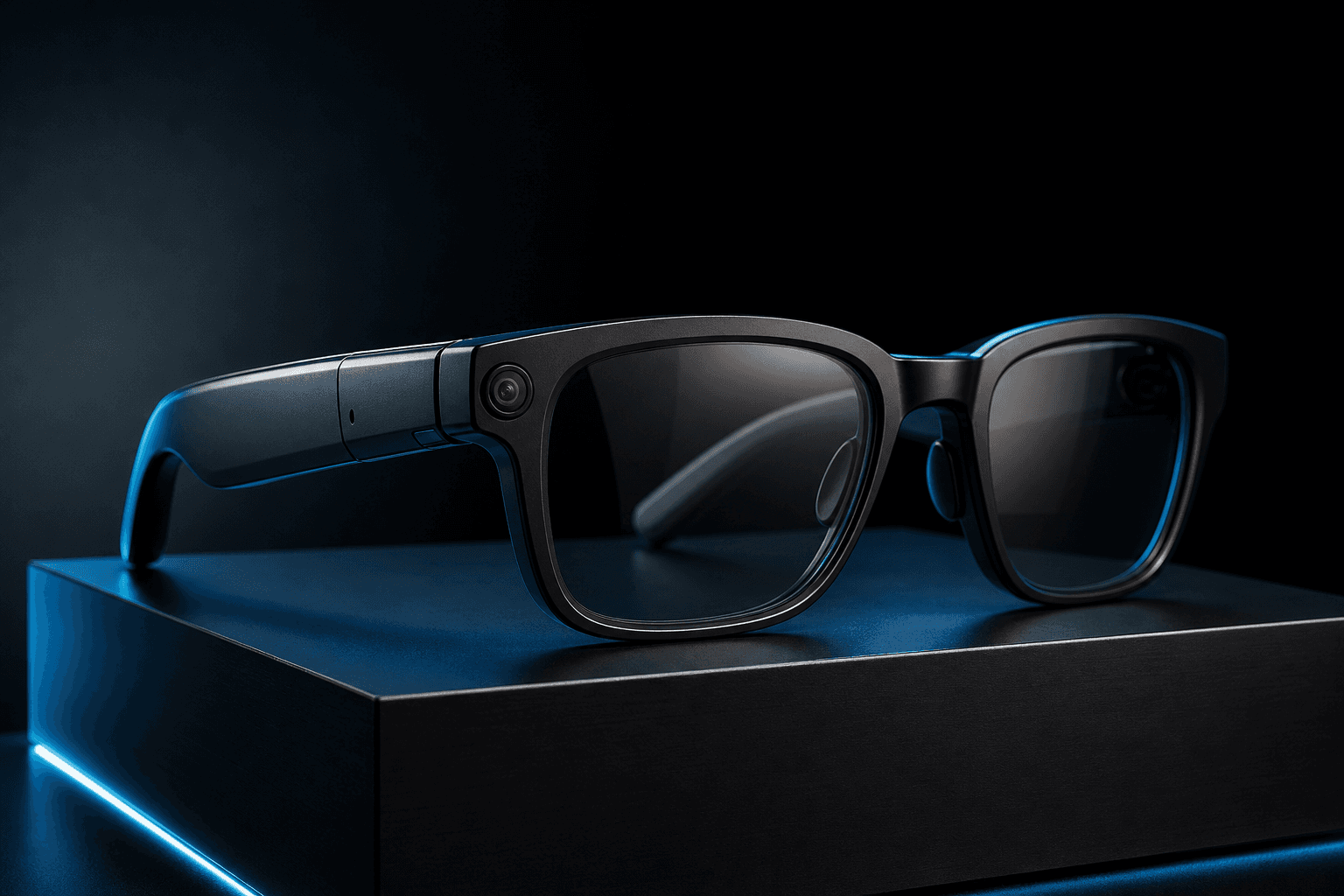
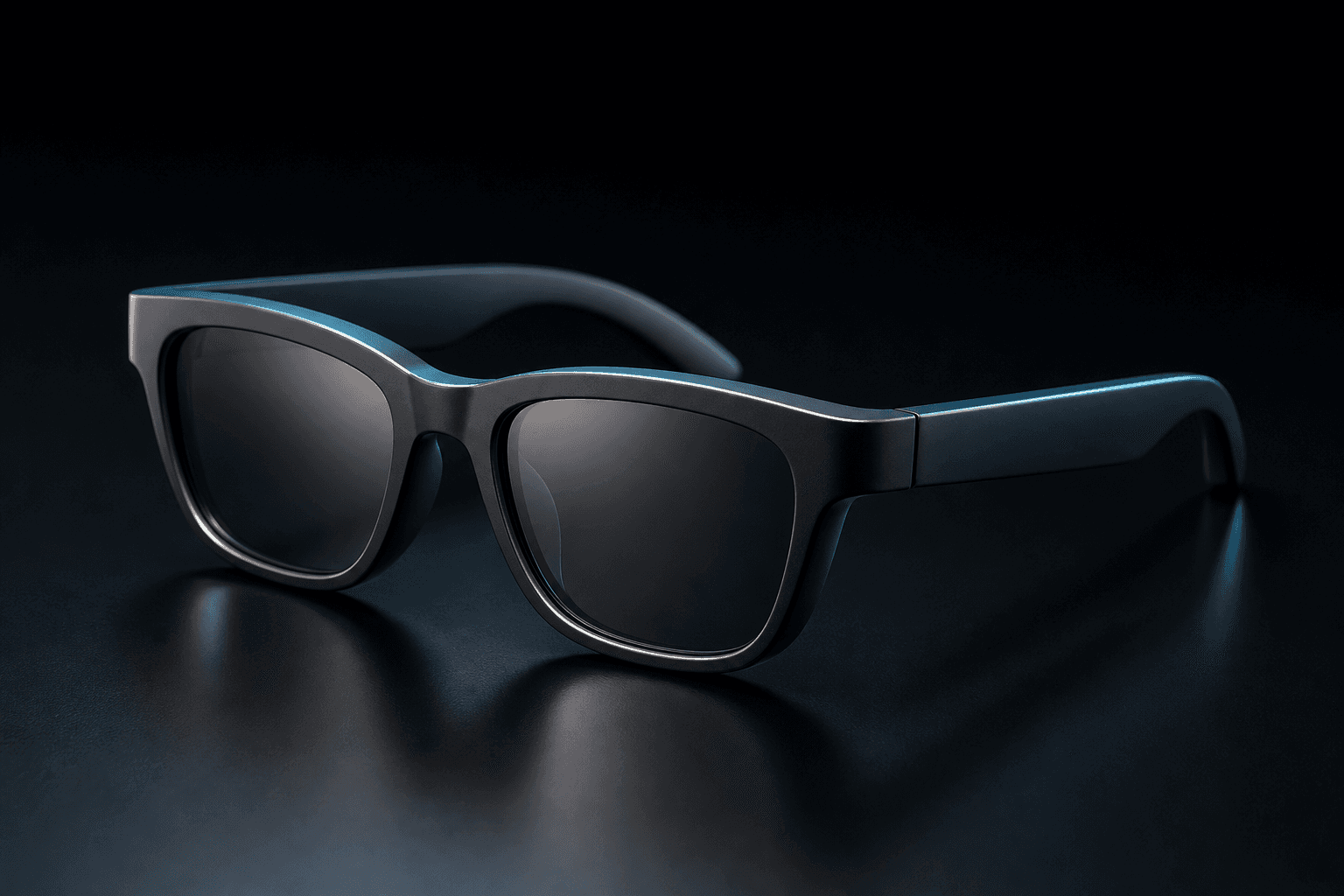
Black frame glasses can look understated, classic, or bold. The difference often comes down to the frame’s shape, thickness, and scale, as well as how it feels with your personal style. A slim rectangular pair may blend easily into a work wardrobe, while a larger or more angular silhouette can make the glasses a focal point.
There is no single style that everyone needs to choose. Think of face-shape suggestions as flexible ideas, then prioritize a comfortable fit and a look you enjoy wearing. As you compare options, consider whether you want the frames to recede or become an accent, and how they work with the colors and formality of clothes you wear most often. This guide compares popular frame styles, offers ways to approach face shape without treating it as a rulebook, and shares practical outfit pairings for everyday settings.
Why Choose Black Frame Glasses?
Black frames create a clear visual outline around the eyes. That definition can make them feel polished with a button-down or blazer, yet relaxed with a T-shirt and jeans. Their effect depends less on color alone than on the frame’s proportions and the rest of the look.
For a quieter appearance, consider a thinner frame or a compact silhouette. It can add definition without dominating your features. Thicker rims, larger lenses, or a strong shape tend to draw more attention and can turn the glasses into a statement accessory. A familiar shape can shift between these impressions, too: a slim square frame may feel restrained, while a wide, heavy version reads more dramatic.
Black is easy to coordinate, but it does not have to match every other accessory. It can sit alongside neutral clothing, add contrast to lighter colors, or provide a deliberate dark accent in a colorful outfit. The right choice depends on what you want the glasses to do in your wardrobe.
Consider intended use alongside appearance. Glasses worn throughout the day should feel comfortable and stay in place, whether you are working, commuting, or spending time off duty. Personal taste, fit, and daily needs matter more than any universal fashion rule. If you are choosing prescription eyewear, make sure the frame can be fitted appropriately as well as matching your preferred look.
Popular Black Frame Styles
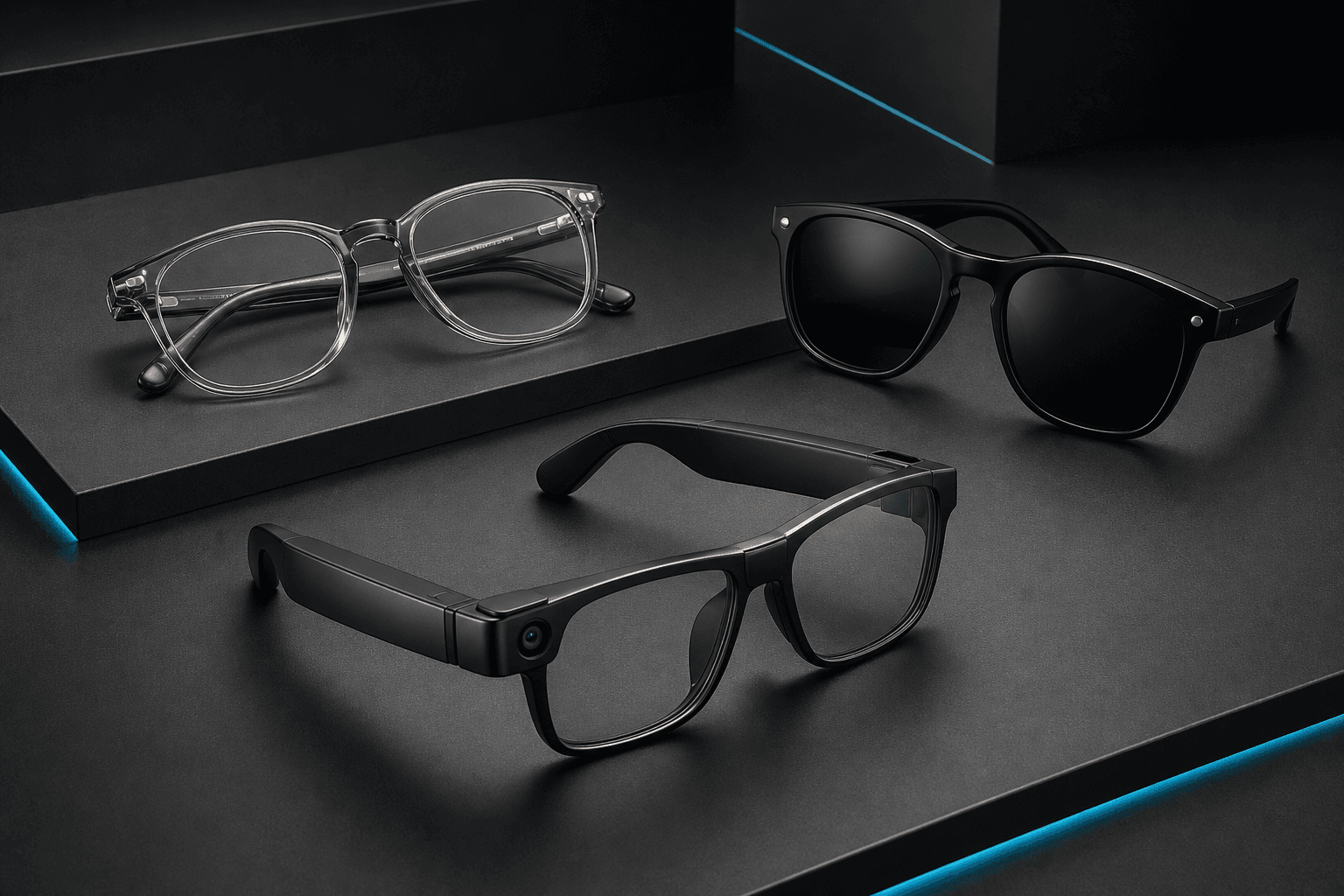
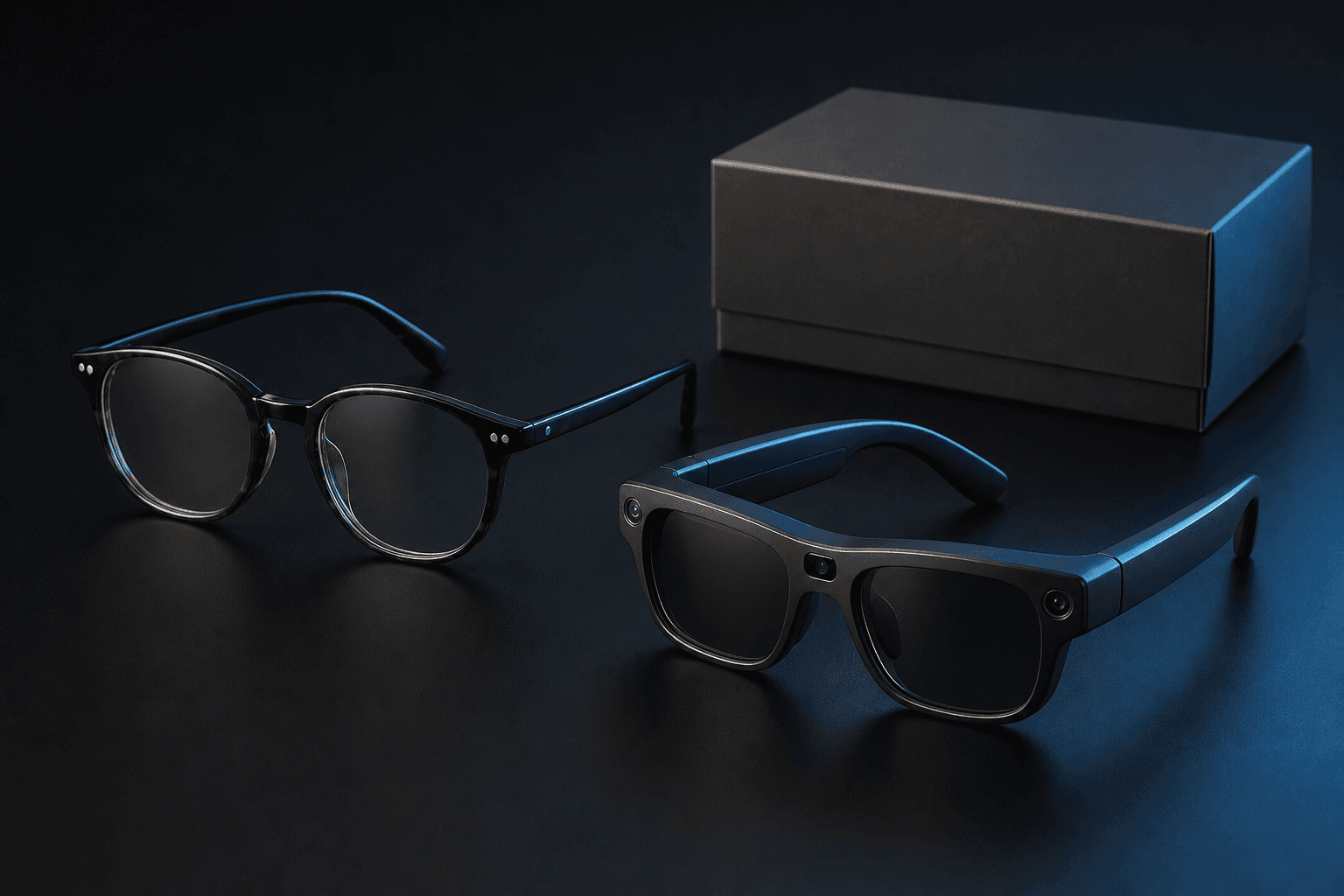
A silhouette can change the mood of black frames even when the color stays the same. These descriptions are subjective starting points, not rules about who should wear each style.
| Frame style | General visual impression | May appeal if you prefer |
|---|---|---|
| Round | Soft, vintage-inspired, or creative | Curved lines and a less angular look |
| Rectangular | Clean, straightforward, or understated | A defined shape with a relatively simple outline |
| Square | Bold, structured, or graphic | Strong angles and a more noticeable frame |
| Cat-eye | Expressive, playful, or polished | An upswept outer edge and a distinctive silhouette |
| Wayfarer-inspired | Familiar, casual, or versatile | A balanced shape that can work with everyday outfits |
These labels describe broad families rather than exact templates. One rectangular frame may have softly rounded corners, while another has sharper edges; both can still read as rectangular. Lens height, the angle of the top line, and the shape of the lower rim can also change the impression. If a style name sounds right but the frame feels unlike what you imagined, compare the details of its outline and proportions.
Frame thickness and scale also influence how each style comes across. A narrow round frame can look delicate, while a wider round frame may feel more pronounced. A slim rectangular pair may read as classic and subtle; thicker rims can give that same basic shape a bolder presence. With square or cat-eye frames, a larger size may increase their statement quality, while a smaller version can feel more restrained.
When comparing options, look at the whole silhouette rather than relying on a style name alone. Consider how much of the face the frame covers, how prominent the rims appear, and whether the proportions feel comfortable. Try comparing a few variations of a shape you like, rather than assuming the first version represents the whole style. If you like a shape but find its first version too strong, try a lighter-looking or smaller-scale variation. The best choice is the one that suits your taste and feels wearable in your everyday routine.
Choosing Black Frames for Your Face Shape
Face-shape advice can help you explore different looks, but it is a styling shortcut, not a fitting prescription. Common categories include oval, round, square, heart-shaped, and oblong faces. Many people have features that overlap several categories, and a face may not fit neatly into any one label.
A common styling heuristic is to try contrast: angular frames, such as rectangular or geometric styles, against softer contours; rounded or oval frames against more angular features. A bolder frame may add definition, while a lighter-looking shape may feel less prominent. These are options to experiment with, not universal rules about what suits you. Reviewed style guidance treats face-shape pairings as visual suggestions, not proven formulas for appearance.
When comparing black frame glasses, look at the proportions on your own face rather than relying on a category. Check whether the frame front broadly follows your facial width at the temples. It should not press into the sides of your face or leave conspicuous gaps, though the right width depends on the frame and your anatomy. All About Vision’s fit guide offers general guidance, not a single measurement that works for everyone.
Then consider lens height and overall balance. A tall lens can create a different visual effect from a shallow one, even when the frame shape is similar. Check that the bridge sits comfortably, distributes weight, and does not dig in or leave marks. The temples should feel secure without pinching or slipping. Optical Training’s frame-adjustment guide explains why adjustments and balance matter to functional fit.
Face-shape suggestions are starting points for experimenting with style, not rules for deciding which frames you can wear.
Comfort and fit come first. Frame measurements can help you compare options, but they do not replace trying glasses on. If prescription lenses need centering, a frame remains uncomfortable, or it needs adjustment, ask an optician to check the fit. When comparing a couple of styles, try them on in similar conditions and notice both their scale and how they feel after a few minutes. A shape that seems appealing by itself may look different in proportion to your features, so take time to compare rather than choosing by category alone. If a frame looks balanced but shifts or pinches, keep looking or ask about an adjustment; appearance should not override a secure, comfortable fit.
How to Pair Black Frames With Outfits
Black frames can work as a quiet finishing touch or a noticeable part of an outfit. Think about the overall effect you want, then use color, texture, and accessories to support it. There is no single matching formula: repeating black can make a look feel coordinated, while contrast can let the frames stand out.
For casual outfits: Try black frames with a white T-shirt, denim, and simple sneakers for an easy, high-contrast combination. For a softer effect, pair them with a sweatshirt or knit in a muted color, such as olive, tan, or dusty blue. If you wear a patterned shirt, choose a frame shape and size that feels balanced with the pattern rather than trying to match every detail.
For workwear: Black frames can sit naturally alongside tailored separates, a button-down shirt, or a dark blazer. Repeat the black in shoes, a belt, or a bag if you want a more connected look, but one repeated detail is enough. With a mostly neutral wardrobe, frames can provide a defined accent without requiring the rest of the outfit to be black.
For smart-casual or dressier plans: Pair a clean, simple frame with a shirt, structured jacket, or understated dress. A bolder frame can add contrast to a minimal outfit; a slimmer or more understated frame may let a textured fabric or brighter color take the lead. Consider the occasion and the effect you prefer, not a strict rule about which frames belong with formal clothes.
Patterns and accessories give you room to adjust the balance. With checks, stripes, or prints, black frames can echo dark details in the pattern, or stand apart against a solid-color outfit. If your accessories are already bold, a simpler frame may keep the overall look from feeling crowded. Alternatively, matching the frame to a black watch strap or bag can make the glasses feel intentional.
Try a casual combination, such as black frames with denim and a light top, then compare it with a more polished outfit built around a blazer or structured layer. Notice whether you like the frames as a subtle repeat of another detail or as the outfit’s main contrast. Let your own comfort and taste decide which pairing feels right.
A Practical Checklist Before You Choose
Before settling on black frame glasses, check how they feel as well as how they look.

Use this shortlist when trying on a pair:
- Check the width. The frame front should broadly follow your face’s width at the temples. It should not press into the sides of your face or leave large gaps. All About Vision’s fit guide offers general checks, but individual fit varies.
- Notice the bridge. The bridge or nose pads should feel comfortable and support the frame without digging in or leaving marks.
- Test the temples. They should pass over your ears and hold the glasses securely without excessive pressure. If the frame slips or feels tight, it may need adjustment.
- Think about your routine. Consider how much visual impact you want, how long you expect to wear the pair, and whether the frames work with outfits you already reach for.
- Treat measurements as a guide. Lens width, bridge width, and temple length can help you compare frames, but numbers alone do not guarantee comfort or fit. Try the glasses on where possible.
- Get prescription needs checked. For prescription lenses, an optician can take measurements and ensure the lenses are centred in the selected frame, as outlined in the NHS guide to visiting an optician. Ask for help if the glasses remain uncomfortable or need adjusting.
Comfort and a secure fit are practical requirements; style is yours to decide.
Conclusion
The right black frames bring together a silhouette you like, proportions that feel balanced, and a fit you can wear comfortably. Face-shape suggestions can offer ideas, but they are styling prompts, not rules. Your preference matters more than matching a category.
Try a few shapes and sizes with clothes you already wear, and pay attention to how each pair feels during a normal day. As you compare, check width, bridge comfort, and temple stability before judging the look. That helps distinguish a style preference from a fit issue, especially when one pair feels secure and another needs constant readjusting. If you wear prescription lenses or the frame keeps slipping, pinching, or leaving marks, ask an optician about fit and adjustment. Choose the pair that feels comfortable and expressive, whether it makes a subtle addition to your wardrobe or becomes a defining part of your look.
Summary
Compare popular black frame styles, explore face-shape suggestions as flexible ideas, and find outfit pairings for casual, work, and dressier settings. Practical fit checks help you weigh comfort and proportions alongside personal style.