Spy Camera Glasses: How They Work, Privacy Concerns, and Legal Risks
Introduction
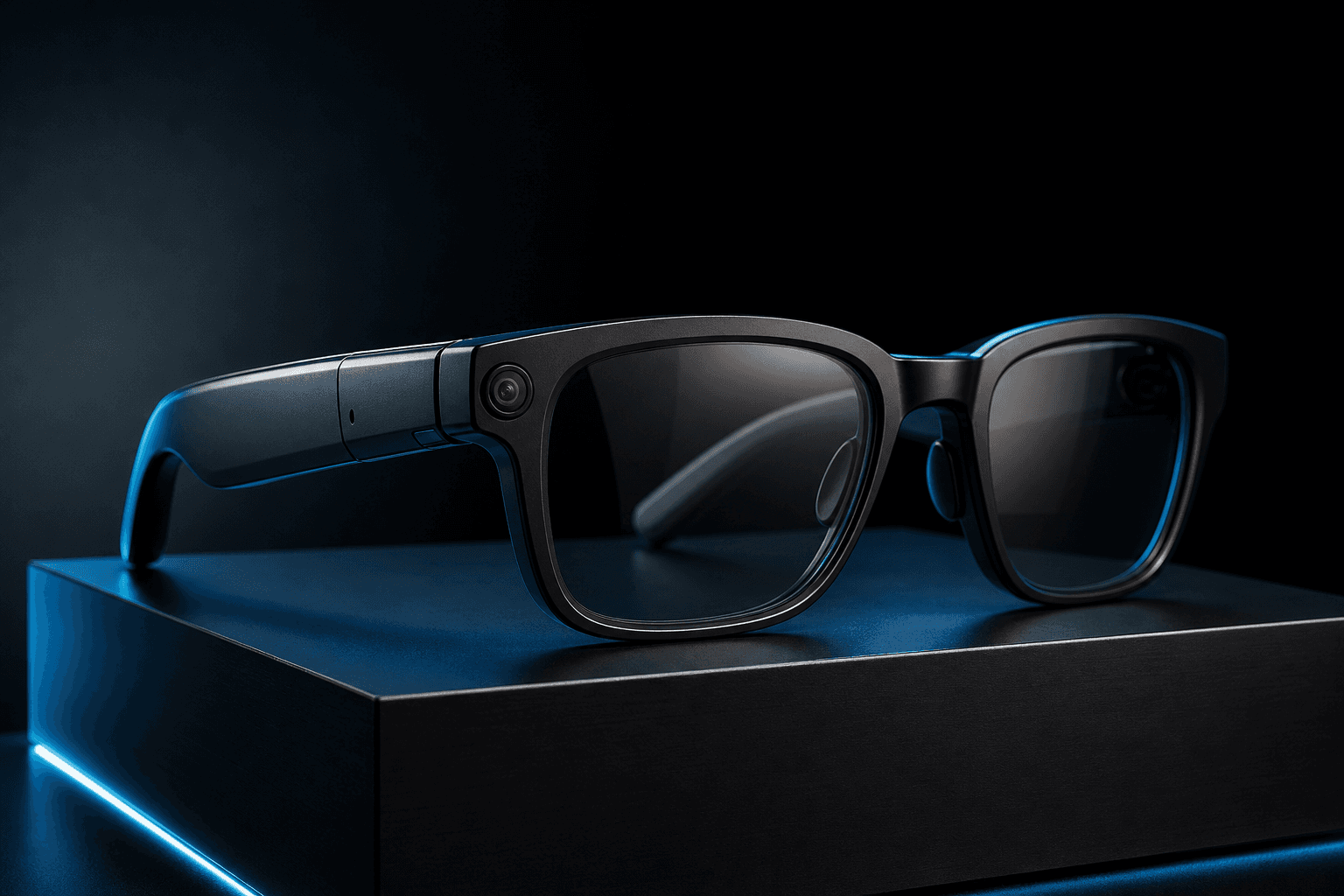
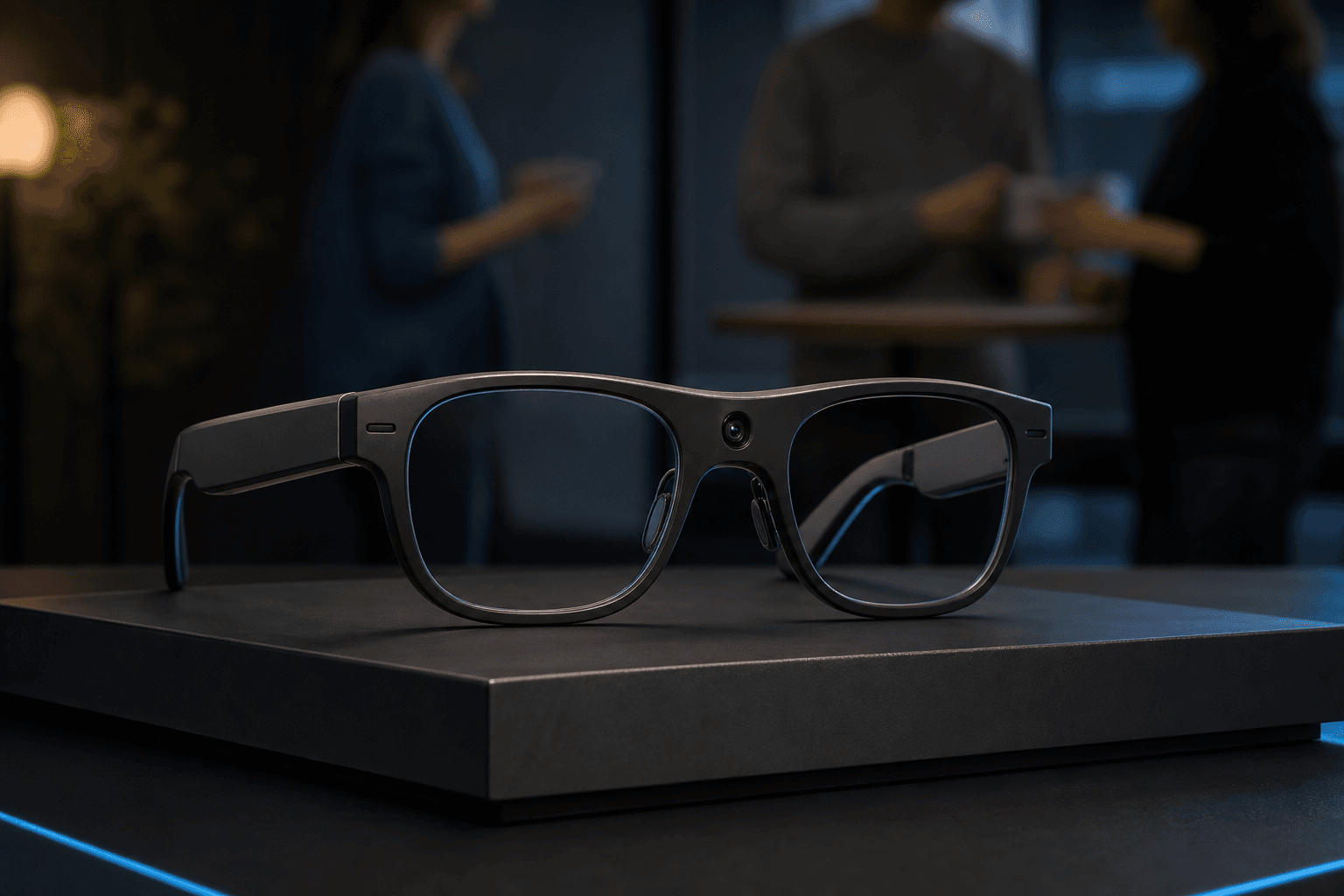
Spy camera glasses can record from the wearer’s point of view, but the phrase covers devices with different designs, controls, and recording behaviors. Some camera-equipped glasses are openly marketed as smart wearables; others may be designed or used for covert recording. The camera’s presence alone does not establish which applies, or whether recording is appropriate or permitted.
Understanding the process helps: footage may be captured by the glasses and then stored or transferred in a model-specific way. That leaves practical questions about indicators, connectivity, and who can access a recording. It also raises privacy concerns when other people appear in footage, particularly if it is shared. This article explains how the technology can work, distinguishes openly marketed smart glasses from covert devices, and outlines legal considerations for readers in Pakistan. It is general information, not legal advice.
How spy camera glasses work
In broad terms, spy camera glasses use a camera to capture a view from near the wearer’s eyes. A simplified path is: light enters the camera lens, an image sensor captures it, and the device handles the resulting photo or video. That is a conceptual model, not a verified description of every product’s components or design. Processing, storage, and transfer arrangements vary by model.
A documented example shows how the glasses and a companion device can work together. Ray-Ban says its Meta glasses pair with a phone through the Meta AI app, where available captures can be downloaded. The company also says the glasses may use Bluetooth and app pairing before temporarily connecting to an internal Wi-Fi network for faster downloads or firmware updates. This describes Ray-Ban’s documented products, not a universal setup.
Controls differ too. Ray-Ban’s Display documentation lists a frame capture button, touchpad, gestures using a Meta Neural Band, and Meta AI as capture inputs. Other products may use different controls, and readers should check the relevant manual rather than assume a single method.
Storage and import behavior are also product-specific. Ray-Ban says Display media must be imported to its mobile app before viewing or sharing, and that imported media moves to the phone’s photo app and is automatically removed from the glasses during import. That does not establish how other glasses retain footage, or whether they upload or delete it. Review the device’s current documentation and privacy settings to understand where copies may be kept.
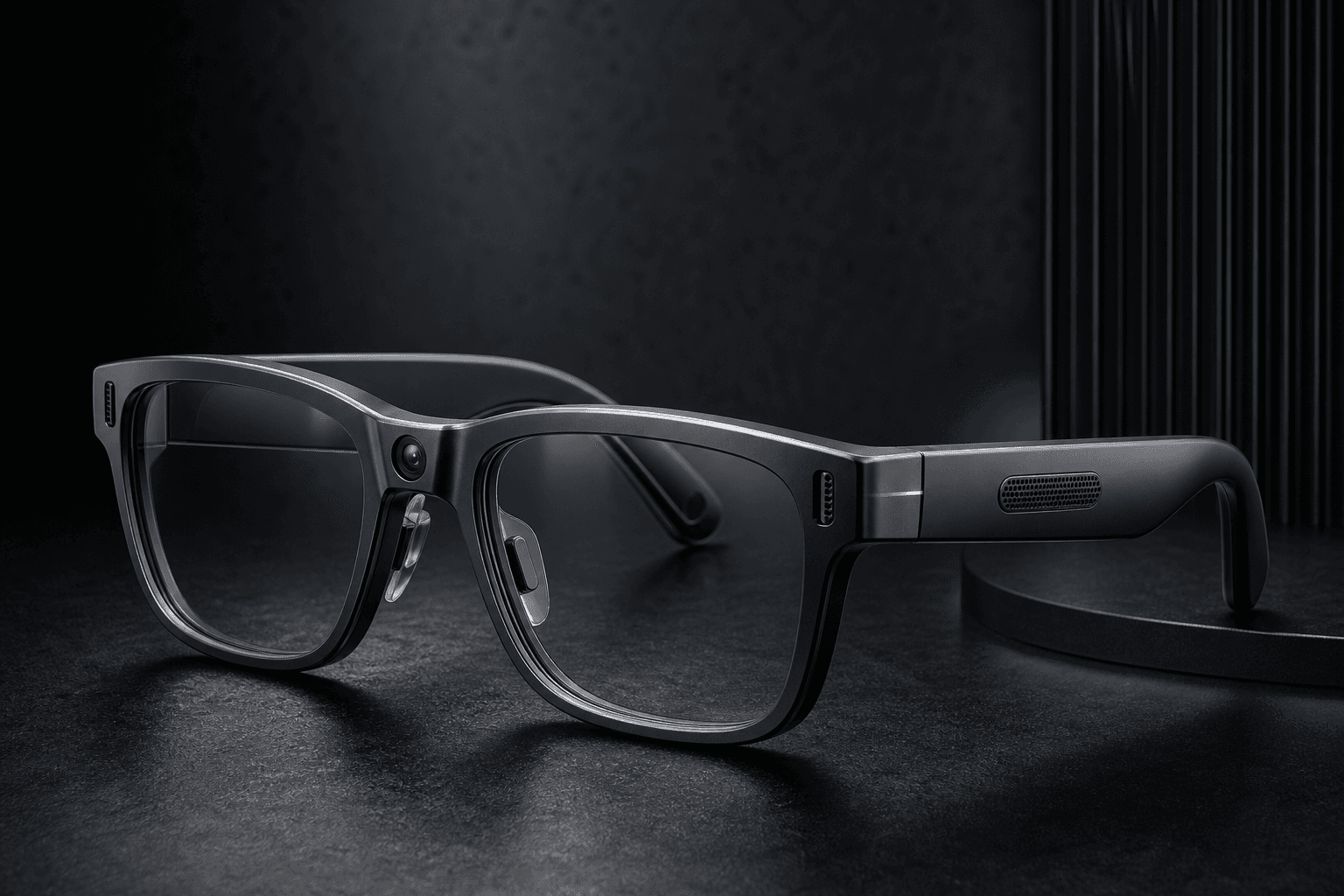
Recording indicators cannot be assumed either. Ray-Ban describes an external-facing capture LED for certain photos, videos, and livestreams, but says some camera-based AI functions on newer models may not activate it. The company’s documentation does not establish that every bystander will notice the light. A first-person viewpoint alone says nothing about whether recording is visible, welcome, or permitted.
Camera glasses, smart glasses, and covert devices: what is the difference?
The distinction is not simply whether glasses have a camera. Openly marketed smart glasses present camera capture as one feature of a wearable product. A covert device, by contrast, is intended or used to record without others readily knowing. Appearance alone may not reveal a device’s purpose or how it is being used, so “hidden camera glasses” should not be treated as a label for every camera-equipped pair.
Consider the design and the information provided by the maker: Is recording a stated feature? What controls start capture? Does the documentation describe an indicator, and when does it operate? These details can help explain how a particular product works, but they do not establish that recording is obvious to everyone nearby. For example, Ray-Ban describes an external-facing capture LED on certain products, while noting that some camera-based AI functions may not activate it. These are manufacturer statements about specified models and functions, not rules for all smart glasses.
Three9x, the publisher of this article, markets Spectra X as smart glasses. Its product page is available for readers who want to review the product information directly. That description should not be taken as independent verification of specifications or as evidence that the glasses are a covert surveillance device.
Whatever the product category, technical capability is separate from transparency, consent, and whether a particular recording is appropriate or legally permitted.
Privacy risks and consent when recording other people
Camera glasses can capture more than a moment: footage may include identifiable faces, voices, surroundings, location clues, and details that reveal what was happening. A clip that seems ordinary to the wearer could expose a private conversation or sensitive information when viewed later or shared. Recording in a home, workplace, school, or other sensitive setting can raise particular concerns, but the applicable rules and expectations are not necessarily the same everywhere.
The presence of a camera does not answer whether recording is transparent, welcome, ethical, or legally permitted. A person may not realize that glasses are recording, and an indicator should not be treated as proof that everyone nearby has noticed. For example, Ray-Ban says certain camera-based AI functions on specified newer models may not activate the capture LED because the activity is not intended as shareable content. That is a manufacturer statement about particular models and functions, not a rule for other glasses or every camera operation. (Ray-Ban’s FAQs)
Storage and sharing add further considerations. Ray-Ban’s documentation says captured media on its Display product must be imported to the Meta AI mobile app before it can be viewed or shared, and describes removal from the glasses during import. Readers should check the specific product’s current data-handling documentation rather than assume all camera glasses store, transfer, or delete footage in the same way. (Ray-Ban Display FAQs; Ray-Ban Meta FAQs)
Before recording, consider who may be captured, what the footage might reveal, and who could access it later. Clear communication and permission where appropriate can help avoid unwanted capture. Be especially cautious with hidden camera glasses in private or sensitive settings, and think separately about recording and distributing the resulting footage.
Legal risks in Pakistan—and why location matters
Camera glasses are not automatically lawful or unlawful in every situation. In Pakistan, the relevant questions can depend on what was recorded, whether audio was captured, the setting and purpose, and what happens to the footage afterward. Rules may also differ across jurisdictions. The available sources do not establish a comprehensive public-versus-private test or a universal consent rule for wearable-camera recording.
A reported 2026 Supreme Court decision concerned secretly recording a private conversation without consent, particularly for extortion or another illegal purpose. Reporting describes the court as connecting the conduct with constitutional protections for dignity and privacy of the home under Article 14. Because the primary judgment and its full reasoning were not available in the reviewed material, this report should not be generalized to all video recording or recording in public places. (The Express Tribune’s report; see also Dawn’s discussion of audio leaks.)
Pakistan’s Prevention of Electronic Crimes Act (PECA) includes provisions for court-authorized collection or recording in specified criminal investigations. Those provisions concern regulated investigative powers; they do not, by themselves, settle whether an individual’s camera-glasses recording is lawful. A parliamentary document describes PECA as amended in 2025 and addresses cyber and online-privacy offences generally, but it does not provide a complete consolidated statute or determine how each amendment applies to wearable recordings. Confirm the latest Gazette text and commencement provisions before relying on a statutory interpretation. (Pakistan Code text; National Assembly document.)
Recording, audio capture, keeping or using a recording as evidence, and later disclosure or publication can raise different questions. A parliamentary PECA text describes a provision concerning disclosure of material containing another person’s personal information without consent or legal requirement when specified intent or knowledge of likely harm, wrongful gain or loss, or compromised confidentiality is present. Its application depends on the full statutory context and facts. It is not a blanket rule that every upload is unlawful. (National Assembly text.)
| Situation | Potential legal question | What to verify |
|---|---|---|
| Secret audio recording of a private conversation | The reported 2026 ruling may be relevant, but its precise scope requires the primary judgment. | The full judgment, facts, purpose, and current applicable law. |
| Recording in a public or institutional setting | Location alone does not resolve privacy, consent, or other legal questions. | Relevant local rules, setting, people captured, and purpose. |
| Sharing or uploading identifiable footage | Disclosure may raise separate issues from making the recording. | The footage’s contents, consent, recipient, purpose, and possible harm. |
This is general information, not legal advice. Check the relevant jurisdiction and current law before drawing conclusions about a specific recording. For a particular incident, consult a qualified Pakistani lawyer.
Practical steps for responsible use
Before using camera glasses, treat recording as a decision to make openly, not an automatic feature to leave running.

A few checks can reduce avoidable privacy problems, though they cannot guarantee legal compliance.
- Check the setting and applicable rules. Consider whether the place or conversation is private or sensitive, who may be captured, and why you need the footage. Public location alone does not answer every privacy or legal question. Check the rules that apply in Pakistan and the particular context; seek qualified legal advice if a specific incident or high-stakes use is involved.
- Communicate clearly. Tell people when you intend to record and ask permission where appropriate. If someone objects, or circumstances become more sensitive, stop recording. Do not assume a small indicator will be noticed by everyone nearby.
- Learn the exact model’s controls. Read its documentation before use. Check how recording starts and stops, whether audio is captured, what indicators operate, how footage is stored or transferred, and how it can be deleted. These features vary, so do not assume a particular control, storage method, or deletion option is available.
- Pause before sharing. Review footage for identifiable people, private conversations, sensitive details, or information that could expose someone to harm. Consider whether sharing is necessary, who will receive it, and whether you have a proper basis to distribute it. Recording and later disclosure can raise separate issues.
In Pakistan, the National Assembly describes PECA as amended in 2025 and relevant to online privacy-related offences, but its document does not establish that every camera-glasses recording is unlawful or resolve how a particular clip is treated. A reported 2026 Supreme Court development concerns secret recording of private conversations; the report should be checked against the full judgment before treating its details as settled. The National Assembly document and reporting on the court development provide context, not individualized legal advice.
Conclusion
Camera-equipped glasses can make hands-free recording possible, but their designs and controls differ. The device alone does not determine whether using it is transparent, welcome, or legally appropriate. The circumstances matter: what is recorded, where and why it happens, whether people know, and what happens to the footage afterward.
Before recording, check the rules that apply to your location and situation, and read the documentation for your specific glasses. Communicate your intentions, seek permission where appropriate, and stop if someone objects or the setting changes. Be especially cautious about sharing footage that identifies people or reveals sensitive information. If you are dealing with a specific dispute or uncertain legal exposure in Pakistan, consult a qualified local lawyer rather than relying on a general overview. Separate the decision to capture a clip from the decision to keep or share it; each can affect other people differently. When uncertain, pause and seek context-specific advice.
Summary
Learn how camera glasses capture and handle footage, why product controls and indicators vary, and how openly marketed smart glasses differ from covert devices. The article also explains privacy considerations, responsible-use steps, and legal questions relevant to recording or sharing footage in Pakistan.